Articles | Volume 4, issue 1
https://doi.org/10.5194/ar-4-23-2026
© Author(s) 2026. This work is distributed under
the Creative Commons Attribution 4.0 License.
the Creative Commons Attribution 4.0 License.
https://doi.org/10.5194/ar-4-23-2026
© Author(s) 2026. This work is distributed under
the Creative Commons Attribution 4.0 License.
the Creative Commons Attribution 4.0 License.
Research article
| 
02 Feb 2026
Research article |
| 02 Feb 2026
| 02 Feb 2026
Primary particle emissions and atmospheric secondary aerosol formation potential from a large-scale wood-pellet-fired heating plant
Fanni Mylläri
Aerosol Physics Laboratory, Physics Unit, Tampere University, Tampere, 33014, Finland
Valmet Technologies, Tampere, 33900, Finland
Niina Kuittinen
Aerosol Physics Laboratory, Physics Unit, Tampere University, Tampere, 33014, Finland
Minna Aurela
Atmospheric Composition Research, Finnish Meteorological Institute, Helsinki, 00101, Finland
Teemu Lepistö
Aerosol Physics Laboratory, Physics Unit, Tampere University, Tampere, 33014, Finland
Paavo Heikkilä
Aerosol Physics Laboratory, Physics Unit, Tampere University, Tampere, 33014, Finland
Laura Salo
Aerosol Physics Laboratory, Physics Unit, Tampere University, Tampere, 33014, Finland
Lassi Markkula
Aerosol Physics Laboratory, Physics Unit, Tampere University, Tampere, 33014, Finland
Panu Karjalainen
Aerosol Physics Laboratory, Physics Unit, Tampere University, Tampere, 33014, Finland
Joel Kuula
Atmospheric Composition Research, Finnish Meteorological Institute, Helsinki, 00101, Finland
Sami Harni
Atmospheric Composition Research, Finnish Meteorological Institute, Helsinki, 00101, Finland
Katriina Kyllönen
Atmospheric Composition Research, Finnish Meteorological Institute, Helsinki, 00101, Finland
Satu Similä
Valmet Technologies, Tampere, 33900, Finland
Katriina Kirvelä
Valmet Technologies, Tampere, 33900, Finland
Joakim Autio
Valmet Technologies, Tampere, 33900, Finland
Marko Palonen
Valmet Technologies, Tampere, 33900, Finland
Jouni Valtatie
Valmet Technologies, Tampere, 33900, Finland
Anna Häyrinen
Helen Oy, Helsinki, 00090, Finland
Hilkka Timonen
Atmospheric Composition Research, Finnish Meteorological Institute, Helsinki, 00101, Finland

Aerosol Physics Laboratory, Physics Unit, Tampere University, Tampere, 33014, Finland
Related authors
No articles found.
Sami D. Harni, Delun Li, Ville Silvonen, Laura Salo, Teemu Lepistö, Toni Tykkä, Mohamed Elsayed, Luis Barreira, Sanna Saarikoski, Ilpo Kulmala, Jarkko V. Niemi, Heidi Hellén, Arto Säämänen, Topi Rönkkö, and Hilkka Timonen
Aerosol Research Discuss., https://doi.org/10.5194/ar-2026-32, https://doi.org/10.5194/ar-2026-32, 2026
Preprint under review for AR
Short summary
Short summary
In this study, indoor and outdoor pollutant concentrations were measured in a mechanically ventilated building in the immediate vicinity of a busy international airport. The measurement period included a strong long-range transport event. Clear differences in indoor outdoor ratios were observed between different pollutants and between normal and long-range transport periods. This study highlights the significance of a intake filtration system in indoor pollutant concentration management.
Sanna Saarikoski, Minna Aurela, Jarkko V. Niemi, Luis M. F. Barreira, Jussi Hoivala, Hanna Manninen, Topi Rönkkö, and Hilkka Timonen
Atmos. Chem. Phys., 26, 11817–11833, https://doi.org/10.5194/acp-26-11817-2026, https://doi.org/10.5194/acp-26-11817-2026, 2026
Short summary
Short summary
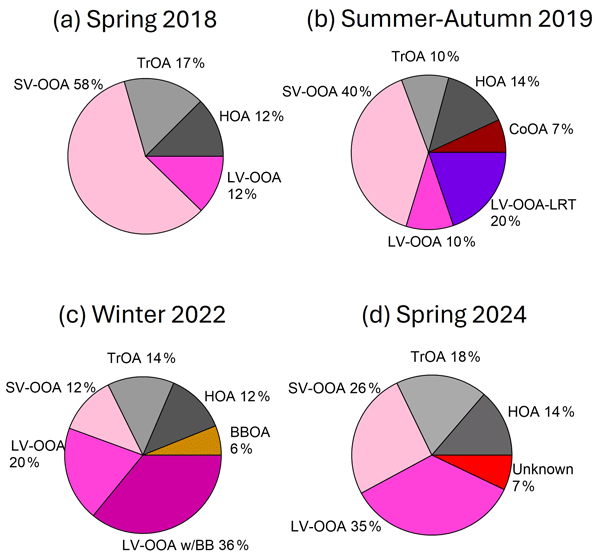
This study analyzed submicron organic aerosol (OA) at a Helsinki traffic site (2018–2024) using aerosol mass spectrometer. Findings show that traffic OA includes both hydrocarbons (HOA) and oxygenated traffic-related OA (TrOA). TrOA peaks later in morning than HOA, likely due to atmospheric processing or modern vehicle emissions. Using only HOA to estimate traffic primary OA may cause a 50 % underestimation indicating that traffic OA is complicated, involving both primary and secondary aerosols.
Luis M. F. Barreira, Delun Li, Jussi Hoivala, Minna Aurela, Aki Virkkula, Jarkko V. Niemi, Hanna E. Manninen, Topi Rönkkö, Hilkka Timonen, and Sanna Saarikoski
Aerosol Research Discuss., https://doi.org/10.5194/ar-2026-28, https://doi.org/10.5194/ar-2026-28, 2026
Revised manuscript accepted for AR
Short summary
Short summary
Urban street canyon measurements during spring showed that submicron particles (PM1) dominated light absorption and black carbon from traffic exhaust, while coarse particles (PM2.5–PM10) became important during dust resuspension events. Size-resolved optical and chemical analyses revealed strong source-dependency, with coarse fractions influencing absorption metrics and source apportionment, especially during street dust events, which highlighted the importance of selected particle size cut-off.
Heidi Hellén, Toni Tykkä, Elli Suhonen, Kimmo Teinilä, Teemu Lepistö, Jarkko V. Niemi, Topi Rönkkö, Hilkka Timonen, and Arnaud P. Praplan
EGUsphere, https://doi.org/10.5194/egusphere-2026-4128, https://doi.org/10.5194/egusphere-2026-4128, 2026
Short summary
Short summary
This study presents a new approach to quantify anthropogenic terpene emissions by measuring VOCs during winter, when biogenic emissions are negligible. Measurements in Helsinki showed that although anthropogenic terpenes accounted for less than 1 % of VOC mass, they made a disproportionately large contribution to atmospheric reactivity. The findings highlight the importance of including anthropogenic terpene emissions in urban air quality studies and atmospheric chemistry models.
Yusheng Wu, Zoé Brasseur, Dimitri Castarède, Paavo Heikkilä, Jorma Keskinen, Ottmar Möhler, Markku Kulmala, Tuukka Petäjä, Erik S. Thomson, and Jonathan Duplissy
Aerosol Research, 4, 293–309, https://doi.org/10.5194/ar-4-293-2026, https://doi.org/10.5194/ar-4-293-2026, 2026
Short summary
Short summary
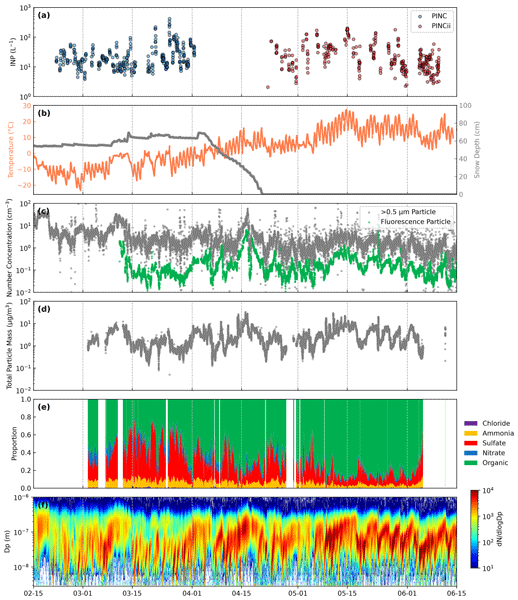
Clouds in cold regions affect climate and precipitation, but their behavior depends on rare airborne particles that help ice form. We measured these particles over several months in a Finnish forest and compared them with many environmental observations. We found that ice formation in winter was largely unpredictable, while in spring and summer it was more strongly linked to particle amount and composition. This shows that local conditions are needed to better represent clouds in climate models.
Kimmo Teinilä, Teemu Lepistö, Jarkko V. Niemi, Harri Portin, Anssi Julkunen, Anu Kousa, Joel Kuula, Hanna E. Manninen, Pasi Aalto, Tuukka Petäjä, Topi Rönkkö, Erkka Saukko, and Hilkka Timonen
Atmos. Meas. Tech., 19, 4505–4516, https://doi.org/10.5194/amt-19-4505-2026, https://doi.org/10.5194/amt-19-4505-2026, 2026
Short summary
Short summary
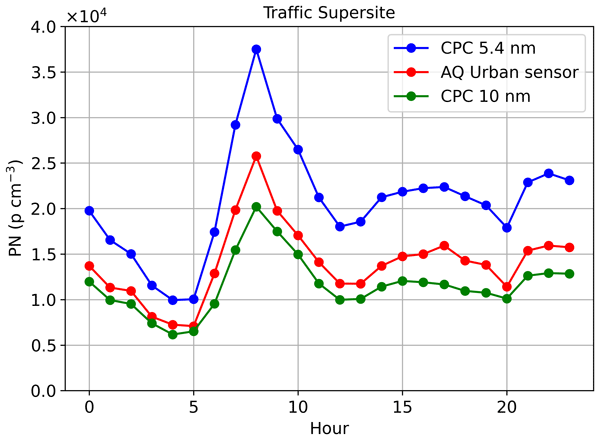
Particle number concentrations were measured with condensation particle counters and diffusion-based sensors at two different urban environments in Helsinki in 2022. The measurement sites were traffic related and background urban sites. The aim of the study was to investigate suitability of using diffusion-based sensors in urban air quality monitoring to obtain particle number concentrations and challenges related to this.
Lauri K. Savolainen, Teemu Lepistö, Heidi Hellén, Henna Lintusaari, Milja Jäppi, Jarkko V. Niemi, Kimmo Teinilä, Minna Aurela, Markus Lampimäki, Anu Kousa, Janne Lampilahti, Katrianne Lehtipalo, Tuukka Petäjä, Miikka Dal Maso, Hanna E. Manninen, Hilkka Timonen, and Topi Rönkkö
EGUsphere, https://doi.org/10.5194/egusphere-2026-1692, https://doi.org/10.5194/egusphere-2026-1692, 2026
Short summary
Short summary
The study investigates vehicle fleet emissions of road traffic. Despite technological advances, road traffic is still an important pollution source in urban areas, especially when considering unregulated, but health-relevant, emerging pollutants. We report fuel consumption normalized vehicle fleet emission factors for various regulated and unregulated air pollutants. Also, we show that road traffic has inverse and indirect effects on urban aerosol which are not generally well understood.
Teemu Lepistö, Hilkka Timonen, Topi Rönkkö, and Miikka Dal Maso
Atmos. Chem. Phys., 26, 4215–4230, https://doi.org/10.5194/acp-26-4215-2026, https://doi.org/10.5194/acp-26-4215-2026, 2026
Short summary
Short summary
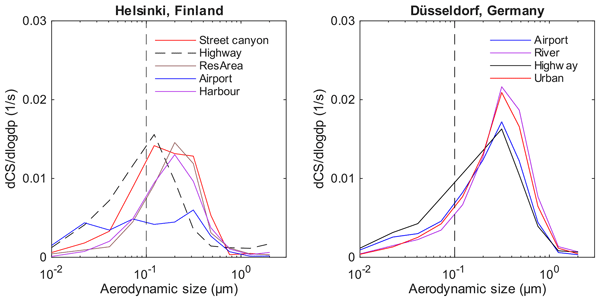
Condensation of vapour molecules onto aerosol particles is a key process regarding aerosol health and climate effects. The condensation sink (CS) estimates the attachment rate of vapour molecules onto existing particles. Here, we explore the concept of size-resolved CS as many of the effects related to condensation are dependent on the size of the existing particles. Our results show clear location-dependent differences in the CS size distributions which may have not been considered before.
Katariina Kylämäki, Milja Jäppi, Leïla Simon, Wojciech Honkisz, Petteri Marjanen, Laura Salo, Teemu Lepistö, Henna Lintusaari, Luis Barreira, Hannu Kuutti, Matti Rissanen, Piotr Bielaczyc, Hilkka Timonen, Päivi Aakko-Saksa, and Topi Rönkkö
EGUsphere, https://doi.org/10.5194/egusphere-2026-224, https://doi.org/10.5194/egusphere-2026-224, 2026
Short summary
Short summary
Oxidation flow reactors (OFRs) simulate atmospheric aging of e.g. anthropogenic emissions. In this study, we aged exhaust from passenger cars in two OFRs with different designs. On average, the OFRs produced comparable particle size distributions and emission factors. However, there were differences between the OFRs in secondary particle formation depending on the fuel and technology of the car and the differences were mostly explained by OFR design.
Sami D. Harni, Lasse Johansson, Jarkko V. Niemi, Ville Silvonen, Juan Andrés Casquero-Vera, Anu Kousa, Krista Luoma, Viet Le, David Brus, Konstantinos Doulgeris, Topi Rönkkö, Hanna E. Manninen, Tuukka Petäjä, and Hilkka Timonen
Atmos. Chem. Phys., 25, 18719–18738, https://doi.org/10.5194/acp-25-18719-2025, https://doi.org/10.5194/acp-25-18719-2025, 2025
Short summary
Short summary
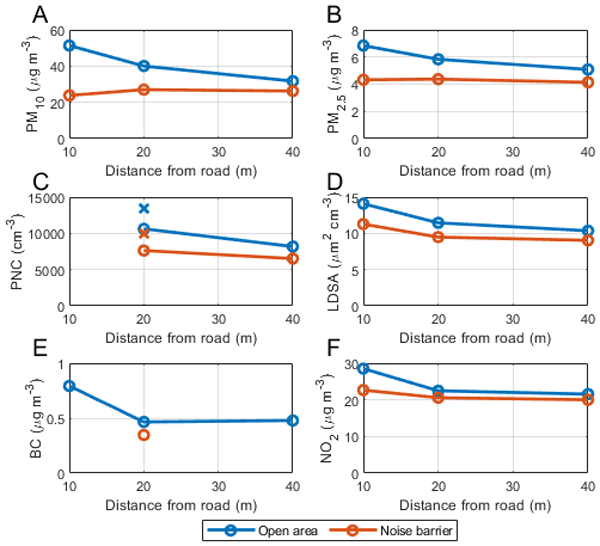
A three-month-long measurement campaign was conducted at Espoo, Finland, in spring 2023. The measurement campaign studied the effect of the noise barrier on pollutant concentration gradients on the side of a major highway. The studied pollutants included PM10, PM2.5, lung deposited surface area (LDSA), particle number concentration (PNC), NO2, and black carbon (BC). The noise barrier was found to be effective in reducing, especially the concentration of particulate pollutants.
Arya Mukherjee, Anni Hartikainen, Markus Somero, Viljami Luostari, Mika Ihalainen, Christopher P. Rüger, Timo Kekäläinen, Ville H. Nissinen, Luis M. F. Barreira, Hanna Koponen, Tuukka Kokkola, Delun Li, Lejish Vettikkat, Pasi Yli-Pirilä, Muhammad Shahzaib, Meri M. Ruppel, Ville Vakkari, Kerneels Jaars, Stefan J. Siebert, Angela Buchholz, Kajar Köster, Pieter G. van Zyl, Hilkka Timonen, Niko Kinnunen, Janne Jänis, Annele Virtanen, Aki Virkkula, and Olli Sippula
Atmos. Chem. Phys., 25, 16747–16774, https://doi.org/10.5194/acp-25-16747-2025, https://doi.org/10.5194/acp-25-16747-2025, 2025
Short summary
Short summary
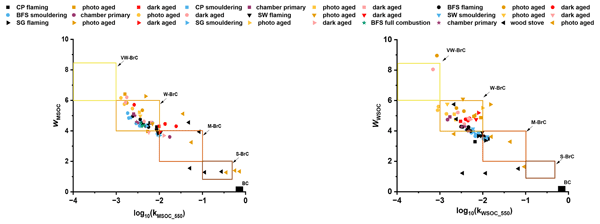
Warming climate is predicted to increase boreal and peatland fires in Northern Eurasia. Limited studies have characterized light absorbing aerosol emissions from these biomasses, thus necessitating this work. Brown carbon (BrC) emitted from laboratory-scale biomass burning had weak light absorptivities based on their complex refractive index values. A combustion temperature dependent light absorptivity continuum existed for emitted BrC. Photochemical aging decreased BrC light absorptivity.
Joel Kuula, Juho Karhu, Tommi Mikkonen, Aki Virkkula, Hilkka Timonen, Tuomas Hieta, and Markku Vainio
Aerosol Research Discuss., https://doi.org/10.5194/ar-2025-38, https://doi.org/10.5194/ar-2025-38, 2025
Preprint withdrawn
Short summary
Short summary
Black carbon particles absorb sunlight and warm the climate, but their properties change in the atmosphere. We measured how changes in soot particle shape affect size-resolved light absorption. Our results show that compacted particles absorb more light, although this effect can reverse due to competing physical processes.
Kuisma Vesisenaho, Heino Kuuluvainen, Ukko-Ville Mäkinen, Miska Olin, and Panu Karjalainen
Aerosol Research, 3, 461–476, https://doi.org/10.5194/ar-3-461-2025, https://doi.org/10.5194/ar-3-461-2025, 2025
Short summary
Short summary
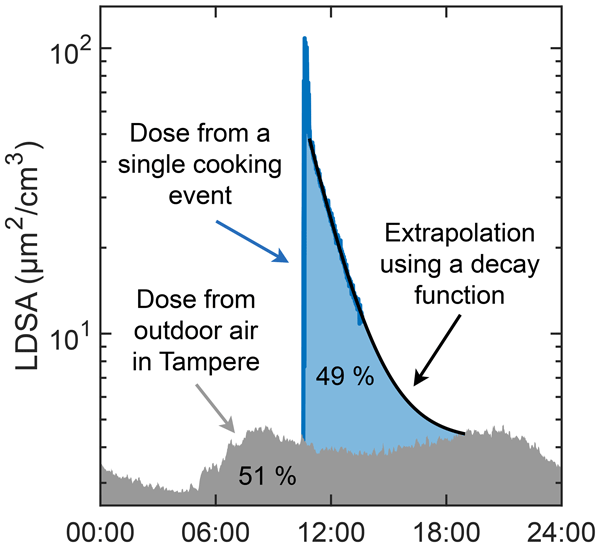
This study investigates the decay of particle lung-deposited surface area (LDSA) concentrations following indoor particle emissions, with a focus on cooking activities. Two decay functions were derived and validated using measurement data. Applying the functions, it is shown that from 66.5 to 82.9 % of the exposure to cooking-generated particles occurred during the decay phase following the active cooking event. This highlights both the applicability and importance of the derived decay functions.
David Brus, Viet Le, Joel Kuula, and Konstantinos Doulgeris
Earth Syst. Sci. Data, 17, 5209–5219, https://doi.org/10.5194/essd-17-5209-2025, https://doi.org/10.5194/essd-17-5209-2025, 2025
Short summary
Short summary
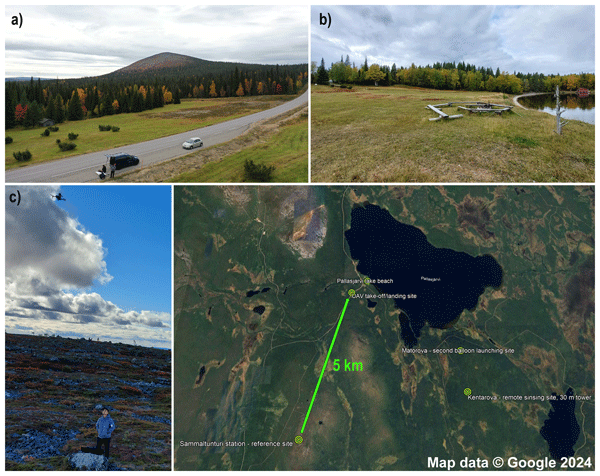
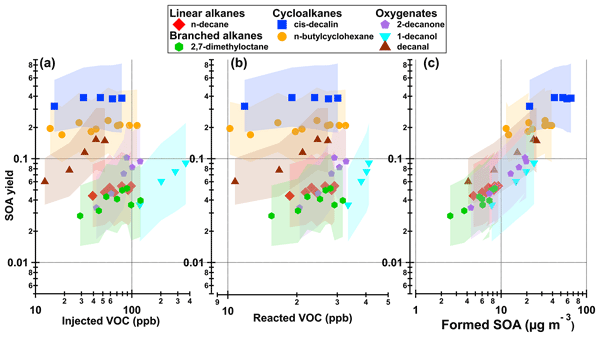
This paper provides datasets collected as part of the Pallas Cloud Experiment campaign in northern Finland during autumn of 2022. We provide an overview of a custom-built drone backpack for air quality and atmospheric state variable measurements carried on top of a consumer-grade drone (DJI Mavic 2 Pro). Moreover, we describe the flight strategies and provide an overview of the datasets obtained, including a description of the measurements against a reference for data validation.
Frans Graeffe, Kalle Kupi, Hilkka Timonen, and Mikael Ehn
Atmos. Chem. Phys., 25, 10837–10851, https://doi.org/10.5194/acp-25-10837-2025, https://doi.org/10.5194/acp-25-10837-2025, 2025
Short summary
Short summary
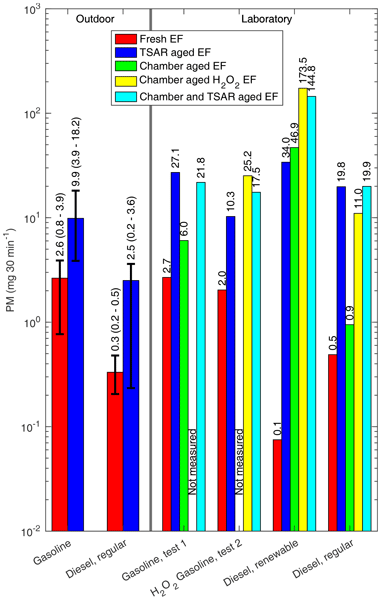
Alkanes are a major part of anthropogenic emissions in urban areas, and known for producing secondary organic aerosol (SOA). We measured SOA yields of seven alkanes and their oxygenated derivatives in oxidation flow reactor (OFR) measurements to assess their role in SOA formation. In addition, we observed that cyclic structure enhances SOA production. Furthermore, our observations indicate that multi-generational hydroxyl radical (OH) oxidation is important in the SOA formation.
Henri Oikarinen, Anni Hartikainen, Pauli Simonen, Miska Olin, Ukko-Ville Mäkinen, Petteri Marjanen, Laura Salo, Ville Silvonen, Sampsa Martikainen, Jussi Hoivala, Mika Ihalainen, Pasi Miettinen, Pasi Yli-Pirilä, Olli Sippula, Santtu Mikkonen, and Panu Karjalainen
Atmos. Meas. Tech., 18, 4271–4292, https://doi.org/10.5194/amt-18-4271-2025, https://doi.org/10.5194/amt-18-4271-2025, 2025
Short summary
Short summary
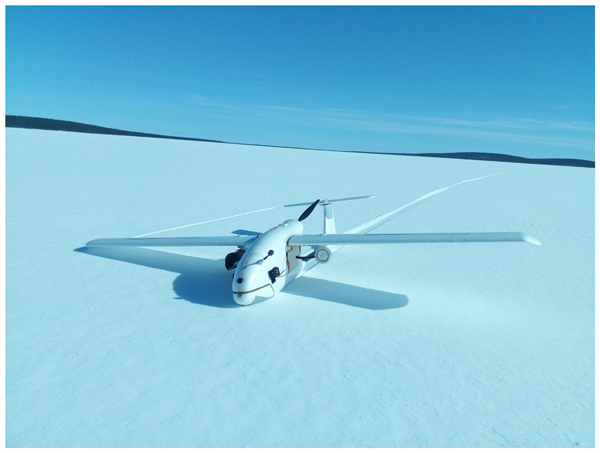
Fuel-operated auxiliary heaters are used in vehicles to provide extra heating to improve passenger comfort and vehicle functionality in cold climates. Currently heater emissions are not regulated as part of vehicle emissions, so this research was done to assess harmful gaseous and airborne particle emissions from them. Heaters were found to be major source of particles, especially when particles formed after combustion were accounted for, and large carbon monoxide emissions were also observed.
Alexander Böhmländer, Larissa Lacher, David Brus, Konstantinos-Matthaios Doulgeris, Zoé Brasseur, Matthew Boyer, Joel Kuula, Thomas Leisner, and Ottmar Möhler
Atmos. Meas. Tech., 18, 3959–3971, https://doi.org/10.5194/amt-18-3959-2025, https://doi.org/10.5194/amt-18-3959-2025, 2025
Short summary
Short summary
Clouds and aerosol are important for weather and climate. Typically, pure water cloud droplets stay liquid until around −35 °C, unless they come into contact with ice-nucleating particles (INPs). INPs are a rare subset of aerosol particles. Using uncrewed aerial vehicles (UAVs), it is possible to collect aerosol particles and analyse their ice-nucleating ability. This study describes the test and validation of a sampling set-up that can be used to collect aerosol particles onto a filter.
J. Tapio Elomaa, Krista Luoma, Sami D. Harni, Aki Virkkula, Hilkka Timonen, and Tuukka Petäjä
Aerosol Research, 3, 293–314, https://doi.org/10.5194/ar-3-293-2025, https://doi.org/10.5194/ar-3-293-2025, 2025
Short summary
Short summary
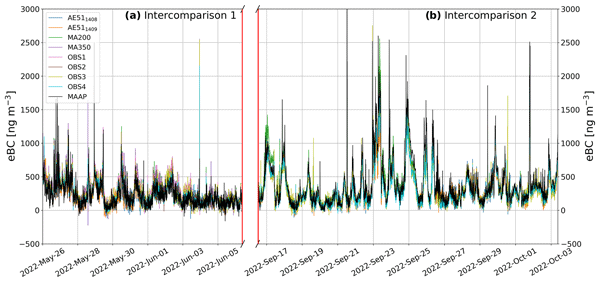
Black carbon (BC) is a pollutant from combustion that affects the climate and is harmful to health. We tested four different small BC sensors with a reference in Helsinki. The sensors compared well with the reference. As a sensor network they were able to capture differences in BC. Changes in temperature (T) and relative humidity (RH) caused error in the measurements. To reduce the effects of T and RH on BC sensors, more robust boxes should be developed, or corrections should be applied.
Matti Niskanen, Aku Seppänen, Henri Oikarinen, Miska Olin, Panu Karjalainen, Santtu Mikkonen, and Kari Lehtinen
Geosci. Model Dev., 18, 2983–3001, https://doi.org/10.5194/gmd-18-2983-2025, https://doi.org/10.5194/gmd-18-2983-2025, 2025
Short summary
Short summary
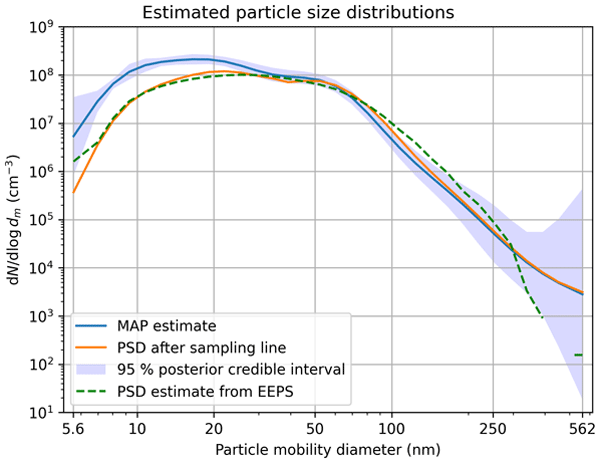
Particle size is a key factor determining the properties of aerosol particles which have a major influence on the climate and on human health. When measuring the particle sizes, however, sometimes the sampling lines that transfer the aerosol to the measurement device distort the size distribution, making the measurement unreliable. We propose a method to correct for the distortions and estimate the true particle sizes, improving measurement accuracy.
Kimmo Teinilä, Sanna Saarikoski, Henna Lintusaari, Teemu Lepistö, Petteri Marjanen, Minna Aurela, Heidi Hellén, Toni Tykkä, Markus Lampimäki, Janne Lampilahti, Luis Barreira, Timo Mäkelä, Leena Kangas, Juha Hatakka, Sami Harni, Joel Kuula, Jarkko V. Niemi, Harri Portin, Jaakko Yli-Ojanperä, Ville Niemelä, Milja Jäppi, Katrianne Lehtipalo, Joonas Vanhanen, Liisa Pirjola, Hanna E. Manninen, Tuukka Petäjä, Topi Rönkkö, and Hilkka Timonen
Atmos. Chem. Phys., 25, 4907–4928, https://doi.org/10.5194/acp-25-4907-2025, https://doi.org/10.5194/acp-25-4907-2025, 2025
Short summary
Short summary
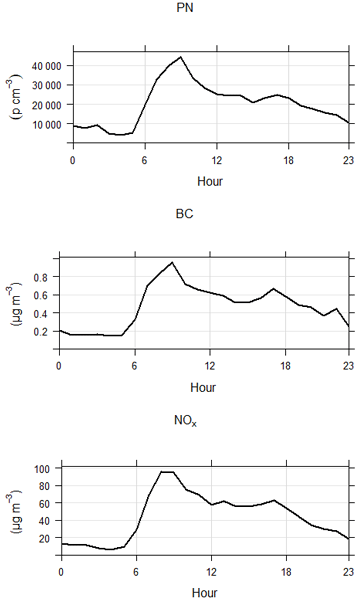
Physical and chemical properties of particulate matter and concentrations of trace gases were measured in a street canyon in Helsinki, Finland, and an urban background site in January–February 2022 to investigate the effect of wintertime conditions on pollutants. State-of-the-art instruments and a mobile laboratory were used, and the measurement data were analysed further with modelling tools like positive matrix factorization and the Pollution Detection Algorithm.
Natalie M. Mahowald, Longlei Li, Julius Vira, Marje Prank, Douglas S. Hamilton, Hitoshi Matsui, Ron L. Miller, P. Louis Lu, Ezgi Akyuz, Daphne Meidan, Peter Hess, Heikki Lihavainen, Christine Wiedinmyer, Jenny Hand, Maria Grazia Alaimo, Célia Alves, Andres Alastuey, Paulo Artaxo, Africa Barreto, Francisco Barraza, Silvia Becagli, Giulia Calzolai, Shankararaman Chellam, Ying Chen, Patrick Chuang, David D. Cohen, Cristina Colombi, Evangelia Diapouli, Gaetano Dongarra, Konstantinos Eleftheriadis, Johann Engelbrecht, Corinne Galy-Lacaux, Cassandra Gaston, Dario Gomez, Yenny González Ramos, Roy M. Harrison, Chris Heyes, Barak Herut, Philip Hopke, Christoph Hüglin, Maria Kanakidou, Zsofia Kertesz, Zbigniew Klimont, Katriina Kyllönen, Fabrice Lambert, Xiaohong Liu, Remi Losno, Franco Lucarelli, Willy Maenhaut, Beatrice Marticorena, Randall V. Martin, Nikolaos Mihalopoulos, Yasser Morera-Gómez, Adina Paytan, Joseph Prospero, Sergio Rodríguez, Patricia Smichowski, Daniela Varrica, Brenna Walsh, Crystal L. Weagle, and Xi Zhao
Atmos. Chem. Phys., 25, 4665–4702, https://doi.org/10.5194/acp-25-4665-2025, https://doi.org/10.5194/acp-25-4665-2025, 2025
Short summary
Short summary
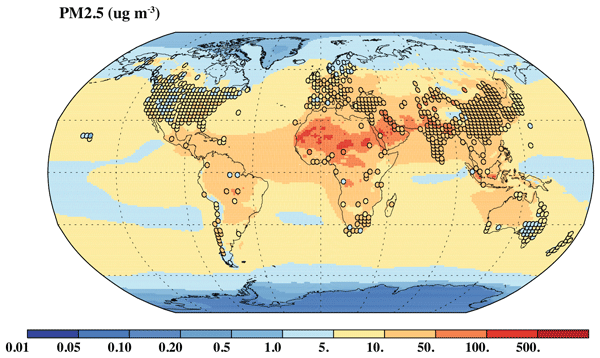
Aerosol particles are an important part of the Earth system, but their concentrations are spatially and temporally heterogeneous, as well as being variable in size and composition. Here, we present a new compilation of PM2.5 and PM10 aerosol observations, focusing on the spatial variability across different observational stations, including composition, and demonstrate a method for comparing the data sets to model output.
Hector Navarro-Barboza, Jordi Rovira, Vincenzo Obiso, Andrea Pozzer, Marta Via, Andres Alastuey, Xavier Querol, Noemi Perez, Marjan Savadkoohi, Gang Chen, Jesus Yus-Díez, Matic Ivancic, Martin Rigler, Konstantinos Eleftheriadis, Stergios Vratolis, Olga Zografou, Maria Gini, Benjamin Chazeau, Nicolas Marchand, Andre S. H. Prevot, Kaspar Dallenbach, Mikael Ehn, Krista Luoma, Tuukka Petäjä, Anna Tobler, Jaroslaw Necki, Minna Aurela, Hilkka Timonen, Jarkko Niemi, Olivier Favez, Jean-Eudes Petit, Jean-Philippe Putaud, Christoph Hueglin, Nicolas Pascal, Aurélien Chauvigné, Sébastien Conil, Marco Pandolfi, and Oriol Jorba
Atmos. Chem. Phys., 25, 2667–2694, https://doi.org/10.5194/acp-25-2667-2025, https://doi.org/10.5194/acp-25-2667-2025, 2025
Short summary
Short summary
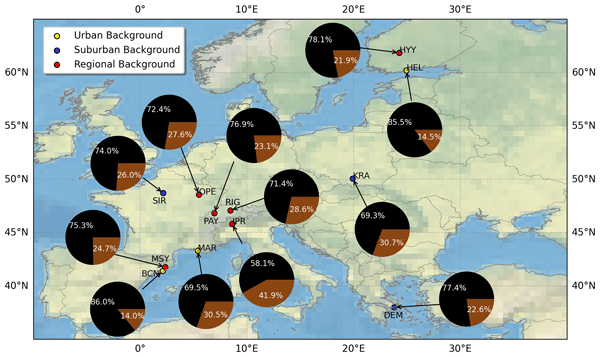
Brown carbon (BrC) absorbs ultraviolet (UV) and visible light, influencing climate. This study explores BrC's imaginary refractive index (k) using data from 12 European sites. Residential emissions are a major organic aerosol (OA) source in winter, while secondary organic aerosol (SOA) dominates in summer. Source-specific k values were derived, improving model accuracy. The findings highlight BrC's climate impact and emphasize source-specific constraints in atmospheric models.
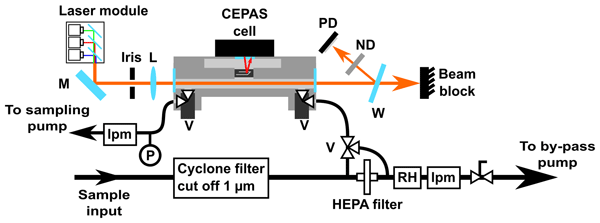
Juho Karhu, Tommi Mikkonen, Joel Kuula, Aki Virkkula, Erkki Ikonen, Markku Vainio, Hilkka Timonen, and Tuomas Hieta
Aerosol Research, 3, 113–124, https://doi.org/10.5194/ar-3-113-2025, https://doi.org/10.5194/ar-3-113-2025, 2025
Short summary
Short summary
We present a new photoacoustic instrument for simultaneous measurement of aerosol light absorption at multiple wavelengths. High performance is reached by using an optically read cantilever microphone, which allows for highly sensitive absorption measurements at a compact size. Performance in field conditions is demonstrated with black carbon monitoring at an air quality measurement station, where our results agree well with reference instruments deployed at the site.
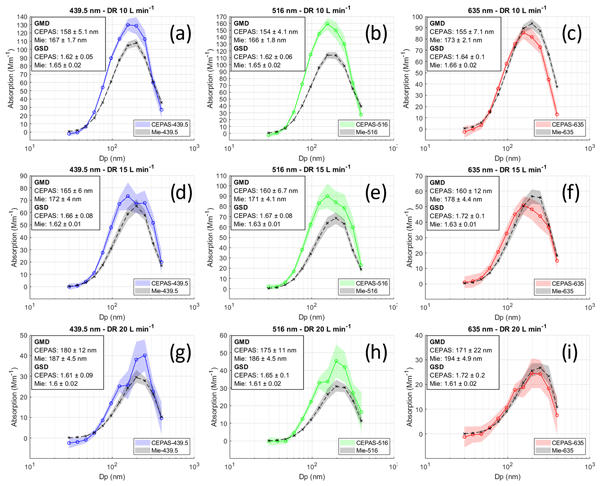
Joel Kuula, Juho Karhu, Tommi Mikkonen, Patrick Grahn, Aki Virkkula, Hilkka Timonen, Tuomas Hieta, and Markku Vainio
Aerosol Research, 3, 1–13, https://doi.org/10.5194/ar-3-1-2025, https://doi.org/10.5194/ar-3-1-2025, 2025
Short summary
Short summary
We developed a new method to measure how particles absorb light as they change in size, which is critical for understanding their climate impact. Our approach uses a sensitive instrument that measures light absorption directly from particles in real time. By pairing this with a device that sorts particles by size, we achieved accurate size-resolved measurements. Our findings closely match theoretical models, offering a promising tool for future research into how particles influence climate.
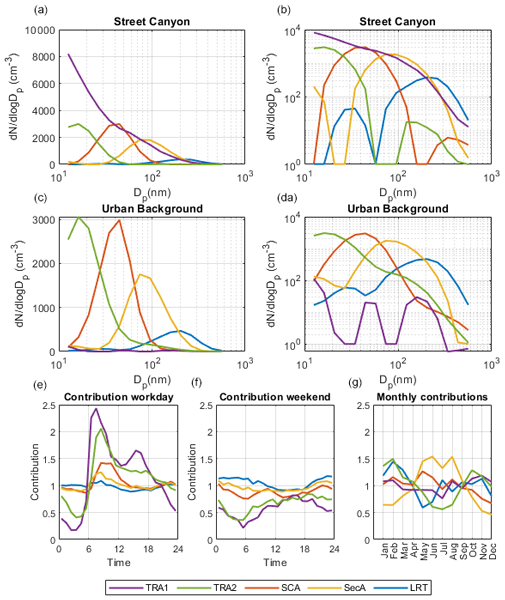
Sami D. Harni, Minna Aurela, Sanna Saarikoski, Jarkko V. Niemi, Harri Portin, Hanna Manninen, Ville Leinonen, Pasi Aalto, Phil K. Hopke, Tuukka Petäjä, Topi Rönkkö, and Hilkka Timonen
Atmos. Chem. Phys., 24, 12143–12160, https://doi.org/10.5194/acp-24-12143-2024, https://doi.org/10.5194/acp-24-12143-2024, 2024
Short summary
Short summary
In this study, particle number size distribution data were used in a novel way in positive matrix factorization analysis to find aerosol source profiles in the area. Measurements were made in Helsinki at a street canyon and urban background sites between February 2015 and June 2019. Five different aerosol sources were identified. These sources underline the significance of traffic-related emissions in urban environments despite recent improvements in emission reduction technologies.
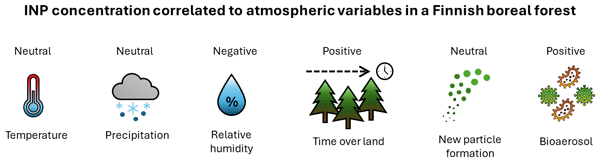
Franziska Vogel, Michael P. Adams, Larissa Lacher, Polly B. Foster, Grace C. E. Porter, Barbara Bertozzi, Kristina Höhler, Julia Schneider, Tobias Schorr, Nsikanabasi S. Umo, Jens Nadolny, Zoé Brasseur, Paavo Heikkilä, Erik S. Thomson, Nicole Büttner, Martin I. Daily, Romy Fösig, Alexander D. Harrison, Jorma Keskinen, Ulrike Proske, Jonathan Duplissy, Markku Kulmala, Tuukka Petäjä, Ottmar Möhler, and Benjamin J. Murray
Atmos. Chem. Phys., 24, 11737–11757, https://doi.org/10.5194/acp-24-11737-2024, https://doi.org/10.5194/acp-24-11737-2024, 2024
Short summary
Short summary
Primary ice formation in clouds strongly influences their properties; hence, it is important to understand the sources of ice-nucleating particles (INPs) and their variability. We present 2 months of INP measurements in a Finnish boreal forest using a new semi-autonomous INP counting device based on gas expansion. These results show strong variability in INP concentrations, and we present a case that the INPs we observe are, at least some of the time, of biological origin.
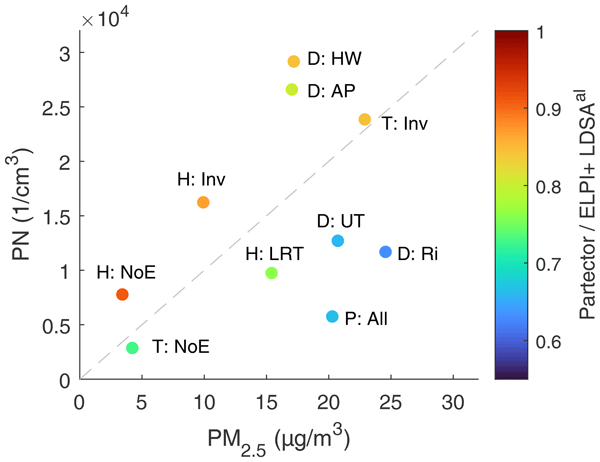
Teemu Lepistö, Henna Lintusaari, Laura Salo, Ville Silvonen, Luis M. F. Barreira, Jussi Hoivala, Lassi Markkula, Jarkko V. Niemi, Jakub Ondracek, Kimmo Teinilä, Hanna E. Manninen, Sanna Saarikoski, Hilkka Timonen, Miikka Dal Maso, and Topi Rönkkö
Aerosol Research, 2, 271–289, https://doi.org/10.5194/ar-2-271-2024, https://doi.org/10.5194/ar-2-271-2024, 2024
Short summary
Short summary
The performances of different particle lung-deposited surface area (LDSAal) measurement methods (Partector, ELPI+, SMPS/DMPS) were compared in ambient conditions. As LDSAal is a health-relevant metric and rather easy to utilise in air quality monitoring, it is crucial to know how the different methods agree, as there are clear differences in their operation. In all, a comparison of different methods can be complicated; still, the methods agree rather well in terms of local pollution (< 400 nm).
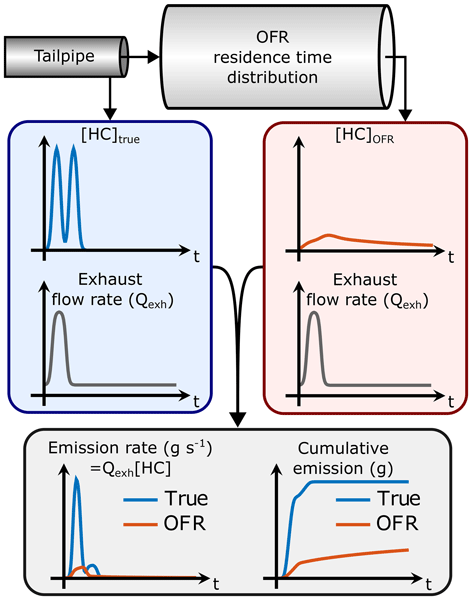
Pauli Simonen, Miikka Dal Maso, Pinja Prauda, Anniina Hoilijoki, Anette Karppinen, Pekka Matilainen, Panu Karjalainen, and Jorma Keskinen
Atmos. Meas. Tech., 17, 3219–3236, https://doi.org/10.5194/amt-17-3219-2024, https://doi.org/10.5194/amt-17-3219-2024, 2024
Short summary
Short summary
Secondary aerosol is formed in the atmosphere from gaseous emissions. Oxidation flow reactors used in secondary aerosol research do not immediately respond to changes in the inlet concentration of gases because of their broad transfer functions. This may result in incorrect secondary aerosol production factors determined for vehicles. We studied the extent of possible errors and found that oxidation flow reactors with faster responses result in smaller errors.
Patrick Grahn and Joel Kuula
EGUsphere, https://doi.org/10.5194/egusphere-2024-1242, https://doi.org/10.5194/egusphere-2024-1242, 2024
Preprint archived
Short summary
Short summary
A three-dimensional finite-element based method was used to calculate inertial deposition loss of aerosol particles in flow systems. The method was validated by comparing to known results published in literature. Loss in a geometrically complicated aerosol measurement instrument was calculated and compared to measurements. The method pinpoints the physical locations where particles are lost, which is helpful for improving the performance of aerosol instruments.
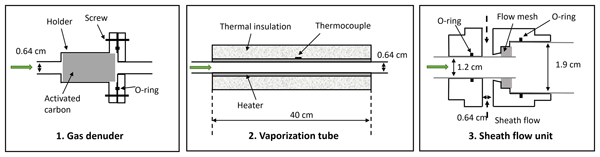
Jian Zhao, Valter Mickwitz, Yuanyuan Luo, Ella Häkkinen, Frans Graeffe, Jiangyi Zhang, Hilkka Timonen, Manjula Canagaratna, Jordan E. Krechmer, Qi Zhang, Markku Kulmala, Juha Kangasluoma, Douglas Worsnop, and Mikael Ehn
Atmos. Meas. Tech., 17, 1527–1543, https://doi.org/10.5194/amt-17-1527-2024, https://doi.org/10.5194/amt-17-1527-2024, 2024
Short summary
Short summary
Organic aerosol constitutes a significant portion of atmospheric fine particles but is less characterized due to its vast number of constituents. Recently, we developed a system for online measurements of particle-phase highly oxygenated organic molecules (HOMs). In this work, we systematically characterized the system, developed a new unit to enhance its performance, and demonstrated the essential role of thermograms in inferring volatility and quantifying HOMs in organic aerosols.
Natalie M. Mahowald, Longlei Li, Julius Vira, Marje Prank, Douglas S. Hamilton, Hitoshi Matsui, Ron L. Miller, Louis Lu, Ezgi Akyuz, Daphne Meidan, Peter Hess, Heikki Lihavainen, Christine Wiedinmyer, Jenny Hand, Maria Grazia Alaimo, Célia Alves, Andres Alastuey, Paulo Artaxo, Africa Barreto, Francisco Barraza, Silvia Becagli, Giulia Calzolai, Shankarararman Chellam, Ying Chen, Patrick Chuang, David D. Cohen, Cristina Colombi, Evangelia Diapouli, Gaetano Dongarra, Konstantinos Eleftheriadis, Corinne Galy-Lacaux, Cassandra Gaston, Dario Gomez, Yenny González Ramos, Hannele Hakola, Roy M. Harrison, Chris Heyes, Barak Herut, Philip Hopke, Christoph Hüglin, Maria Kanakidou, Zsofia Kertesz, Zbiginiw Klimont, Katriina Kyllönen, Fabrice Lambert, Xiaohong Liu, Remi Losno, Franco Lucarelli, Willy Maenhaut, Beatrice Marticorena, Randall V. Martin, Nikolaos Mihalopoulos, Yasser Morera-Gomez, Adina Paytan, Joseph Prospero, Sergio Rodríguez, Patricia Smichowski, Daniela Varrica, Brenna Walsh, Crystal Weagle, and Xi Zhao
Earth Syst. Sci. Data Discuss., https://doi.org/10.5194/essd-2024-1, https://doi.org/10.5194/essd-2024-1, 2024
Preprint withdrawn
Short summary
Short summary
Aerosol particles can interact with incoming solar radiation and outgoing long wave radiation, change cloud properties, affect photochemistry, impact surface air quality, and when deposited impact surface albedo of snow and ice, and modulate carbon dioxide uptake by the land and ocean. Here we present a new compilation of aerosol observations including composition, a methodology for comparing the datasets to model output, and show the implications of these results using one model.
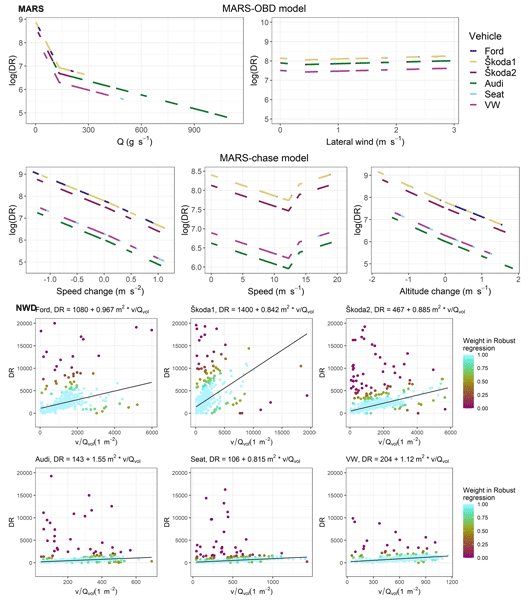
Ville Leinonen, Miska Olin, Sampsa Martikainen, Panu Karjalainen, and Santtu Mikkonen
Atmos. Meas. Tech., 16, 5075–5089, https://doi.org/10.5194/amt-16-5075-2023, https://doi.org/10.5194/amt-16-5075-2023, 2023
Short summary
Short summary
Emission factor calculation was studied to provide models that do not use traditional CO2-based calculation in exhaust plume analysis. Two types of models, one based on the physical dependency of dilution of the exhaust flow rate and speed and two based on the statistical, measured dependency of dilution of the exhaust flow rate, acceleration, speed, altitude change, and/or wind, were developed. These methods could possibly be extended to also calculate non-exhaust emissions in the future.
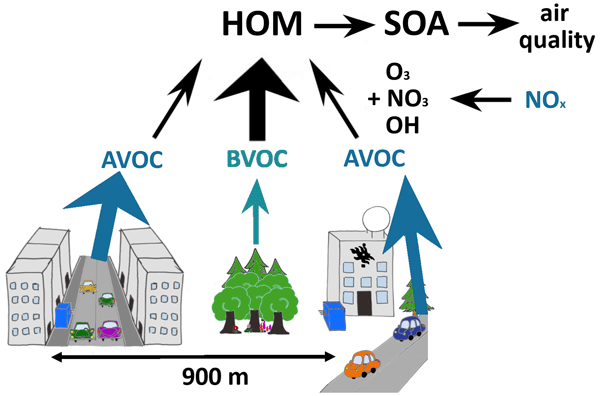
Magdalena Okuljar, Olga Garmash, Miska Olin, Joni Kalliokoski, Hilkka Timonen, Jarkko V. Niemi, Pauli Paasonen, Jenni Kontkanen, Yanjun Zhang, Heidi Hellén, Heino Kuuluvainen, Minna Aurela, Hanna E. Manninen, Mikko Sipilä, Topi Rönkkö, Tuukka Petäjä, Markku Kulmala, Miikka Dal Maso, and Mikael Ehn
Atmos. Chem. Phys., 23, 12965–12983, https://doi.org/10.5194/acp-23-12965-2023, https://doi.org/10.5194/acp-23-12965-2023, 2023
Short summary
Short summary
Highly oxygenated organic molecules (HOMs) form secondary organic aerosol that affects air quality and health. In this study, we demonstrate that in a moderately polluted city with abundant vegetation, the composition of HOMs is largely controlled by the effect of NOx on the biogenic volatile organic compound oxidation. Comparing the results from two nearby stations, we show that HOM composition and formation pathways can change considerably within small distances in urban environments.

Jonas Elm, Aladár Czitrovszky, Andreas Held, Annele Virtanen, Astrid Kiendler-Scharr, Benjamin J. Murray, Daniel McCluskey, Daniele Contini, David Broday, Eirini Goudeli, Hilkka Timonen, Joan Rosell-Llompart, Jose L. Castillo, Evangelia Diapouli, Mar Viana, Maria E. Messing, Markku Kulmala, Naděžda Zíková, and Sebastian H. Schmitt
Aerosol Research, 1, 13–16, https://doi.org/10.5194/ar-1-13-2023, https://doi.org/10.5194/ar-1-13-2023, 2023
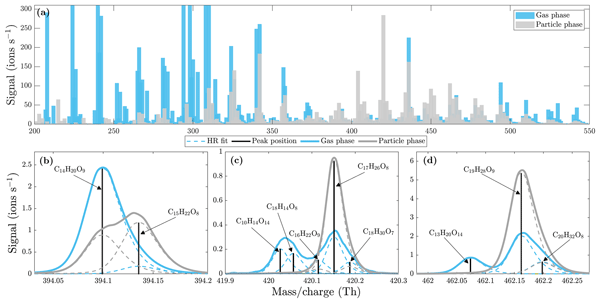
Ella Häkkinen, Jian Zhao, Frans Graeffe, Nicolas Fauré, Jordan E. Krechmer, Douglas Worsnop, Hilkka Timonen, Mikael Ehn, and Juha Kangasluoma
Atmos. Meas. Tech., 16, 1705–1721, https://doi.org/10.5194/amt-16-1705-2023, https://doi.org/10.5194/amt-16-1705-2023, 2023
Short summary
Short summary
Highly oxygenated compounds contribute to the formation and growth of atmospheric organic aerosol and thus impact the global climate. Knowledge of their transformations and fate after condensing into the particle phase has been limited by the lack of suitable detection techniques. Here, we present an online method for measuring highly oxygenated compounds from organic aerosol. We evaluate the performance of the method and demonstrate that the method is applicable to different organic species.
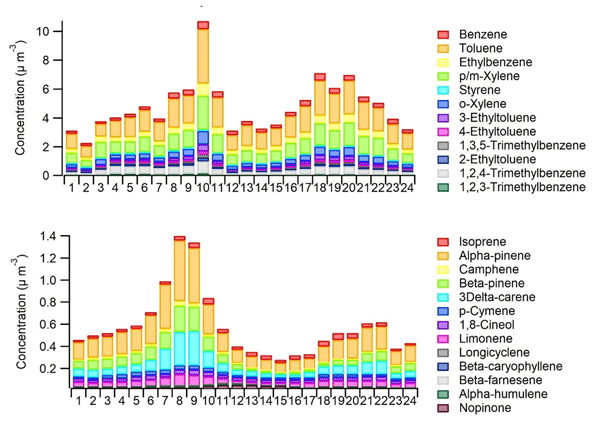
Sanna Saarikoski, Heidi Hellén, Arnaud P. Praplan, Simon Schallhart, Petri Clusius, Jarkko V. Niemi, Anu Kousa, Toni Tykkä, Rostislav Kouznetsov, Minna Aurela, Laura Salo, Topi Rönkkö, Luis M. F. Barreira, Liisa Pirjola, and Hilkka Timonen
Atmos. Chem. Phys., 23, 2963–2982, https://doi.org/10.5194/acp-23-2963-2023, https://doi.org/10.5194/acp-23-2963-2023, 2023
Short summary
Short summary
This study elucidates properties and sources of volatile organic compounds (VOCs) and organic aerosol (OA) in a traffic environment. Anthropogenic VOCs (aVOCs) were clearly higher than biogenic VOCs (bVOCs), but bVOCs produced a larger portion of oxidation products. OA consisted mostly of oxygenated OA, representing secondary OA (SOA). SOA was partly associated with bVOCs, but it was also related to long-range transport. Primary OA originated mostly from traffic.
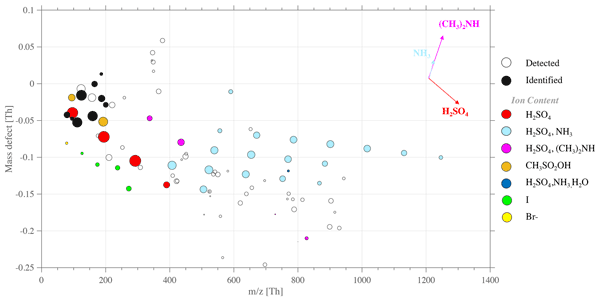
Lauriane L. J. Quéléver, Lubna Dada, Eija Asmi, Janne Lampilahti, Tommy Chan, Jonathan E. Ferrara, Gustavo E. Copes, German Pérez-Fogwill, Luis Barreira, Minna Aurela, Douglas R. Worsnop, Tuija Jokinen, and Mikko Sipilä
Atmos. Chem. Phys., 22, 8417–8437, https://doi.org/10.5194/acp-22-8417-2022, https://doi.org/10.5194/acp-22-8417-2022, 2022
Short summary
Short summary
Understanding how aerosols form is crucial for correctly modeling the climate and improving future predictions. This work provides extensive analysis of aerosol particles and their precursors at Marambio Station, Antarctic Peninsula. We show that sulfuric acid, ammonia, and dimethylamine are key contributors to the frequent new particle formation events observed at the site. We discuss nucleation mechanisms and highlight the need for targeted measurement to fully understand these processes.

Zoé Brasseur, Dimitri Castarède, Erik S. Thomson, Michael P. Adams, Saskia Drossaart van Dusseldorp, Paavo Heikkilä, Kimmo Korhonen, Janne Lampilahti, Mikhail Paramonov, Julia Schneider, Franziska Vogel, Yusheng Wu, Jonathan P. D. Abbatt, Nina S. Atanasova, Dennis H. Bamford, Barbara Bertozzi, Matthew Boyer, David Brus, Martin I. Daily, Romy Fösig, Ellen Gute, Alexander D. Harrison, Paula Hietala, Kristina Höhler, Zamin A. Kanji, Jorma Keskinen, Larissa Lacher, Markus Lampimäki, Janne Levula, Antti Manninen, Jens Nadolny, Maija Peltola, Grace C. E. Porter, Pyry Poutanen, Ulrike Proske, Tobias Schorr, Nsikanabasi Silas Umo, János Stenszky, Annele Virtanen, Dmitri Moisseev, Markku Kulmala, Benjamin J. Murray, Tuukka Petäjä, Ottmar Möhler, and Jonathan Duplissy
Atmos. Chem. Phys., 22, 5117–5145, https://doi.org/10.5194/acp-22-5117-2022, https://doi.org/10.5194/acp-22-5117-2022, 2022
Short summary
Short summary
The present measurement report introduces the ice nucleation campaign organized in Hyytiälä, Finland, in 2018 (HyICE-2018). We provide an overview of the campaign settings, and we describe the measurement infrastructure and operating procedures used. In addition, we use results from ice nucleation instrument inter-comparison to show that the suite of these instruments deployed during the campaign reports consistent results.
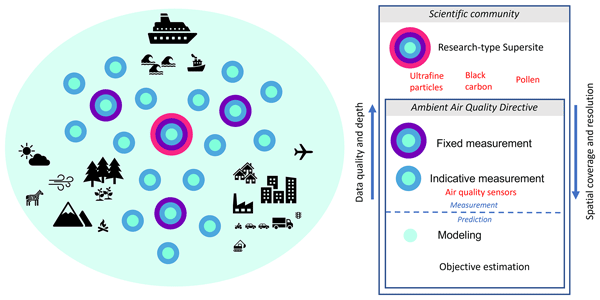
Joel Kuula, Hilkka Timonen, Jarkko V. Niemi, Hanna E. Manninen, Topi Rönkkö, Tareq Hussein, Pak Lun Fung, Sasu Tarkoma, Mikko Laakso, Erkka Saukko, Aino Ovaska, Markku Kulmala, Ari Karppinen, Lasse Johansson, and Tuukka Petäjä
Atmos. Chem. Phys., 22, 4801–4808, https://doi.org/10.5194/acp-22-4801-2022, https://doi.org/10.5194/acp-22-4801-2022, 2022
Short summary
Short summary
Modern and up-to-date policies and air quality management strategies are instrumental in tackling global air pollution. As the European Union is preparing to revise Ambient Air Quality Directive 2008/50/EC, this paper initiates discussion on selected features of the directive that we believe would benefit from a reassessment. The scientific community has the most recent and deepest understanding of air pollution; thus, its contribution is essential.
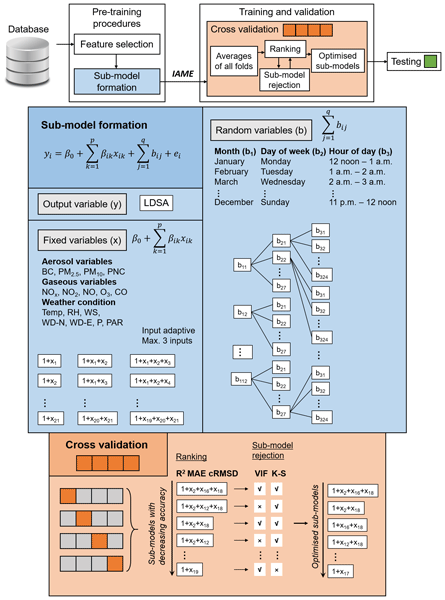
Pak Lun Fung, Martha A. Zaidan, Jarkko V. Niemi, Erkka Saukko, Hilkka Timonen, Anu Kousa, Joel Kuula, Topi Rönkkö, Ari Karppinen, Sasu Tarkoma, Markku Kulmala, Tuukka Petäjä, and Tareq Hussein
Atmos. Chem. Phys., 22, 1861–1882, https://doi.org/10.5194/acp-22-1861-2022, https://doi.org/10.5194/acp-22-1861-2022, 2022
Short summary
Short summary
We developed an input-adaptive mixed-effects model, which was automatised to select the best combination of input variables, including up to three fixed effect variables and three time indictors as random effect variables. We tested the model to estimate lung-deposited surface area (LDSA), which correlates well with human health. The results show the inclusion of time indicators improved the sensitivity and the accuracy of the model so that it could serve as a network of virtual sensors.
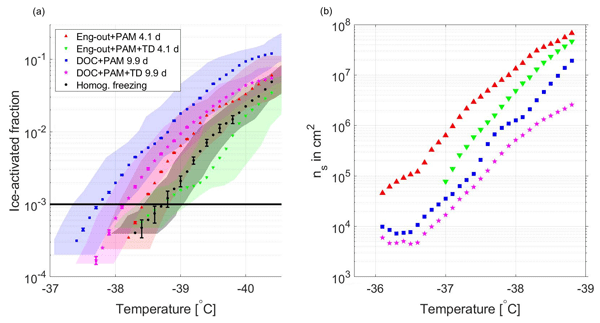
Kimmo Korhonen, Thomas Bjerring Kristensen, John Falk, Vilhelm B. Malmborg, Axel Eriksson, Louise Gren, Maja Novakovic, Sam Shamun, Panu Karjalainen, Lassi Markkula, Joakim Pagels, Birgitta Svenningsson, Martin Tunér, Mika Komppula, Ari Laaksonen, and Annele Virtanen
Atmos. Chem. Phys., 22, 1615–1631, https://doi.org/10.5194/acp-22-1615-2022, https://doi.org/10.5194/acp-22-1615-2022, 2022
Short summary
Short summary
We investigated the ice-nucleating abilities of particulate emissions from a modern diesel engine using the portable ice-nuclei counter SPIN, a continuous-flow diffusion chamber instrument. Three different fuels were studied without blending, including fossil diesel and two renewable fuels, testing different emission aftertreatment systems and photochemical aging. We found that the diesel emissions were inefficient ice nuclei, and aging had no or little effect on their ice-nucleating abilities.
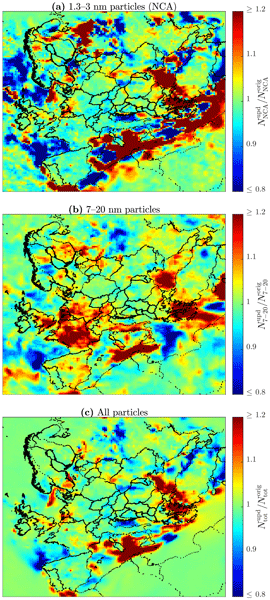
Miska Olin, David Patoulias, Heino Kuuluvainen, Jarkko V. Niemi, Topi Rönkkö, Spyros N. Pandis, Ilona Riipinen, and Miikka Dal Maso
Atmos. Chem. Phys., 22, 1131–1148, https://doi.org/10.5194/acp-22-1131-2022, https://doi.org/10.5194/acp-22-1131-2022, 2022
Short summary
Short summary
An emission factor particle size distribution was determined from the measurements at an urban traffic site. It was used in updating a pre-existing emission inventory, and regional modeling was performed after the update. Emission inventories typically underestimate nanoparticle emissions due to challenges in determining them with high certainty. This update reveals that the simulated aerosol levels have previously been underestimated especially for urban areas and for sub-50 nm particles.
Jutta Kesti, John Backman, Ewan J. O'Connor, Anne Hirsikko, Eija Asmi, Minna Aurela, Ulla Makkonen, Maria Filioglou, Mika Komppula, Hannele Korhonen, and Heikki Lihavainen
Atmos. Chem. Phys., 22, 481–503, https://doi.org/10.5194/acp-22-481-2022, https://doi.org/10.5194/acp-22-481-2022, 2022
Short summary
Short summary
In this study we combined aerosol particle measurements at the surface with a scanning Doppler lidar providing vertical profiles of the atmosphere to study the effect of different boundary layer conditions on aerosol particle properties in the understudied Arabian Peninsula region. The instrumentation used in this study enabled us to identify periods when pollution from remote sources was mixed down to the surface and initiated new particle formation in the growing boundary layer.
Cited articles
Amanatidis, S., Ntziachristos, L., Giechaskiel, B., Katsaounis, D., Samaras, Z., and Bergmann, A.: Evaluation of an oxidation catalyst (“catalytic stripper”) in eliminating volatile material from combustion aerosol, J. Aerosol Sci., 57, 144–155, https://doi.org/10.1016/j.jaerosci.2012.12.001, 2013.
Bloomberg: New Energy Outlook 2019, https://about.bnef.com/new-energy-outlook/#toc-download (last access: 22 September 2020), 2020.
Bond, T. C., Doherty, S. J., Fahey, D. W., Forster, P. M., Berntsen, T., DeAngelo, B. J., Flanner, M. G., Ghan, S., Kärcher, B., Koch, D., Kinne, S., Kondo, Y., Quinn, P. K., Sarofim, M. C., Schultz, M. G., Schulz, M., Venkataraman, C., Zhang, H., Zhang, S., Bellouin, N., Guttikunda, S. K., Hopke, P. K., Jacobson, M. Z., Kaiser, J. W., Klimont, Z., Lohmann, U., Schwarz, J. P., Shindell, D., Storelvmo, T., Warren, S. G., and Zender, C. S.: Bounding the role of black carbon in the climate system: A scientific assessment, J. Geophys. Res.-Atmos., 118, 5380–5552, https://doi.org/10.1002/jgrd.50171, 2013
Chandrasekaran, S., Hopke, P., Rector, L., Allen, G., and Lin, L.: Chemical Composition of Wood Chips and Wood Pellets, Energ. Fuel., 26, 4932–4937, https://doi.org/10.1021/ef300884k, 2012.
Ciupek, B. and Nadolny, Z.: Emission of Harmful Substances from the Combustion of Wood Pellets in a Low-Temperature Burner with Air Gradation: Research and Analysis of a Technical Problem, Energies, 17, 3087, https://doi.org/10.3390/en17133087, 2024.
Czech, H., Pieber, S. M., Tiitta, P., Sippula, O., Kortelainen, M., Lamberg, H., Grigonyte, J., Streibel, T., Prévôt, A. S. H., Jokiniemi, J., and Zimmermann, R.: Time-resolved analysis of primary volatile emissions and secondary aerosol formation potential from a small-scale pellet boiler, Atmos. Environ., 158, 236–245, https://doi.org/10.1016/j.atmosenv.2017.03.040, 2017.
Drinovec, L., Močnik, G., Zotter, P., Prévôt, A. S. H., Ruckstuhl, C., Coz, E., Rupakheti, M., Sciare, J., Müller, T., Wiedensohler, A., and Hansen, A. D. A.: The “dual-spot” Aethalometer: an improved measurement of aerosol black carbon with real-time loading compensation, Atmos. Meas. Tech., 8, 1965–1979, https://doi.org/10.5194/amt-8-1965-2015, 2015.
EU: Commission Implementing Decision (EU) 2017/1442 of 31 July 2017 establishing best available techniques (BAT) conclusions, under Directive 2010/75/EU of the European Parliament and of the Council, for large combustion plants, Official Journal of the European Union, https://eur-lex.europa.eu/legal-content/EN/TXT/?uri=CELEX%3A32017D1442 (last access: 28 January 2026), 2017.
Gordon, T. D., Presto, A. A., May, A. A., Nguyen, N. T., Lipsky, E. M., Donahue, N. M., Gutierrez, A., Zhang, M., Maddox, C., Rieger, P., Chattopadhyay, S., Maldonado, H., Maricq, M. M., and Robinson, A. L.: Secondary organic aerosol formation exceeds primary particulate matter emissions for light-duty gasoline vehicles, Atmos. Chem. Phys., 14, 4661–4678, https://doi.org/10.5194/acp-14-4661-2014, 2014.
Guevara, M., Enciso, S., Tena, C., Jorba, O., Dellaert, S., Denier van der Gon, H., and Pérez García-Pando, C.: A global catalogue of CO2 emissions and co-emitted species from power plants, including high-resolution vertical and temporal profiles, Earth Syst. Sci. Data, 16, 337–373, https://doi.org/10.5194/essd-16-337-2024, 2024.
Hartikainen, A., Tiitta, P., Ihalainen, M., Yli-Pirilä, P., Orasche, J., Czech, H., Kortelainen, M., Lamberg, H., Suhonen, H., Koponen, H., Hao, L., Zimmermann, R., Jokiniemi, J., Tissari, J., and Sippula, O.: Photochemical transformation of residential wood combustion emissions: dependence of organic aerosol composition on OH exposure, Atmos. Chem. Phys., 20, 6357–6378, https://doi.org/10.5194/acp-20-6357-2020, 2020.
Hays, M. D., Kinsey, J., George, I., Preston, W., Singer, C., and Patel, B.: Carbonaceous Particulate Matter Emitted from a Pellet-Fired Biomass Boiler, Atmosphere, 10, 536, https://doi.org/10.3390/atmos10090536, 2019.
Heringa, M. F., DeCarlo, P. F., Chirico, R., Tritscher, T., Dommen, J., Weingartner, E., Richter, R., Wehrle, G., Prévôt, A. S. H., and Baltensperger, U.: Investigations of primary and secondary particulate matter of different wood combustion appliances with a high-resolution time-of-flight aerosol mass spectrometer, Atmos. Chem. Phys., 11, 5945–5957, https://doi.org/10.5194/acp-11-5945-2011, 2011.
IEA: World energy outlook 2019, 2020, The International Energy Agency (IEA), https://www.iea.org/reports/world-energy-outlook-2019 (last access: 21 September 2020).
Ihalainen, M., Tiitta, P., Czech, H., Yli-Pirilä, P., Hartikainen, A., Kortelainen, M., Tissari, J., Stengel, B., Sklorz, M., Suhonen, H., Lamberg, H., Leskinen, A., Kiendler-Scharr, A., Harndorf, H., Zimmermann, R., Jokiniemi, J., and Sippula, O.: A novel high-volume Photochemical Emission Aging flow tube Reactor (PEAR), Aerosol Sci. Tech., 53, 276–294, https://doi.org/10.1080/02786826.2018.1559918, 2019.
Jiang, K., Xing, R., Luo, Z., Huang, W., Yi, F., Men, Y., Zhao, N., Chang, Z., Zhao, J., Pan, B., and Shen, G.: c Pollutant emissions from biomass burning: A review on emission characteristics, environmental impacts, and research perspectives, Particuology, 85, 296–309, https://doi.org/10.1016/j.partic.2023.07.012, 2024.
Keskinen, J. and Rönkkö, T.: Can Real-World Diesel Exhaust Particle Size Distribution be Reproduced in the Laboratory? A Critical Review, Journal of the Air and Waste Management Association, 60, 1245–1255, 2010.
Keskinen, J., Pietarinen, K., and Lehtimäki, M.: Electrical low pressure impactor, J. Aerosol Sci., 23, 353–360, 1992.
Kyllönen, K., Hakola, H., Hellén, H., Korhonen, M., and Verta, M.: Atmospheric mercury fluxes in southern boreal forest and wetland, Water Air Soil Poll., 223, 1171–1182, 2012.
Kyllönen, K., Paatero, J., Aalto, T., and Hakola, H.: Nationwide survey of airborne mercury in Finland, Boreal Environ. Res., 19, 355–367, 2014.
Lamberg, H., Sippula, O., Tissari, J., and Jokiniemi, J.: Effect of Air Staging and Load in Fine-Particle and Gaseous Emissions from a Small-Scale Pellet Boiler, Energ. Fuel., 25, 4952–4960, 2011.
Lepistö, T., Lintusaari, H., Oudin, A., Barreira, L. M. F., Niemi, J. V., Karjalainen, P., Salo, L., Silvonen, V., Markkula, L., Hoivala, J., Marjanen, P., Martikainen, S., Aurela, M., Reyes, F. R., Oyola, P., Kuuluvainen, H., Manninen, H. E., Schins, R. P. F., Vojtisek-Lom, M., Ondracek, J., Topinka, J., Timonen, H., Jalava, P., Saarikoski, S., and Rönkkö, T.: Particle lung deposited surface area (LDSAal) size distributions in different urban environments and geographical regions: Towards understanding of the PM2.5 dose-response, Environ. Int., 180, 108224, https://doi.org/10.1016/j.envint.2023.108224, 2023.
Li, R., Palm, B. B., Ortega, A. M., Hlywiak, J., Hu, W., Peng, Z., Day, D. A., Knote, C., Brune, W. H., de Gouw, J. A., and Jimenez, J. L.: Modeling the Radical Chemistry in an Oxidation Flow Reactor: Radical Formation and Recycling, Sensitivities, and the OH Exposure Estimation Equation, J. Phys. Chem. A, 119, https://doi.org/10.1021/jp509534k, 2015.
Löndahl, J., Pagels, J., Boman, C., Swietlicki, E., Massling, A., Rissler, J., Blomberg, A., Bohgard, M., and Sandström, T.: Deposition of Biomass Combustion Aerosol Particles in the Human Respiratory Tract, Inhal. Toxicol., 20, 923–933, https://doi.org/10.1080/08958370802087124, 2008.
Marjamäki, M., Ntziachristos, L., Virtanen, A., Ristimäki, J., Keskinen, J., Moisio, M., Palonen, M., and Lappi, M.: Electrical filter stage for the ELPI, SAE Technical paper, 2002–01-0055, SAE International, 2002.
Mertens, J., Lepaumier, H., Rogiers, P., Desagher, D., Goossens, L., Duterque, A., Le Cadre, E., Zarea, M., Blondeau, J., and Webber, M.: Fine and ultrafine particle number and size measurements from industrial combustion processes: Primary emissions field data, Atmos. Pollut. Res., 11, 803–814, https://doi.org/10.1016/j.apr.2020.01.008, 2020.
Mikkanen, P., Moisio, M., Keskinen, J., Ristimäki, J., and Marjamäki, M.: Sampling method for particle measurements of vehicle exhaust, SAE International, SAE Tech. Pap. Ser. 2001, No. 2001-01-0219, https://doi.org/10.4271/2001-01-0219, 2001.
Mylläri, F., Asmi, E., Anttila, T., Saukko, E., Vakkari, V., Pirjola, L., Hillamo, R., Laurila, T., Häyrinen, A., Rautiainen, J., Lihavainen, H., O'Connor, E., Niemelä, V., Keskinen, J., Dal Maso, M., and Rönkkö, T.: New particle formation in the fresh flue-gas plume from a coal-fired power plant: effect of flue-gas cleaning, Atmos. Chem. Phys., 16, 7485–7496, https://doi.org/10.5194/acp-16-7485-2016, 2016.
Mylläri, F., Pirjola, L., Lihavainen, H., Asmi, E., Saukko, E., Laurila, T., Vakkari, V., O'Connor, E., Rautiainen, J., Häyrinen, A., Niemelä, V., Maunula, J., Hillamo, R., Keskinen, J., and Rönkkö, T.: Characteristics of particle emissions and their atmospheric dilution during co-combustion of coal and wood pellets in a large combined heat and power plant, Journal of the Air & Waste Management Association, 69, 97–108, https://doi.org/10.1080/10962247.2018.1521349, 2019.
Niemelä, N. P., Mylläri, F., Kuittinen, N., Aurela, M., Helin, A., Kuula, J., Teinilä, K., Nikka, M., Vainio, O., Arffman, A., Lintusaari, H., Timonen, H., Rönkkö, T., and Joronen, T.: Experimental and numerical analysis of fine particle and soot formation in a modern 100 MW pulverized biomass heating plant, Combust. Flame, 240, 111960, https://doi.org/10.1016/j.combustflame.2021.111960, 2022.
Ntziachristos, L., Giechaskiel, B., Pistikopoulos, P., Samaras, Z., Mathis, U., Mohr, M., Ristimäki, J., Keskinen, J., Mikkanen, P., Casati, R., Scheer, V., and Vogt, R.: Performance evaluation of a novel sampling and measurement system for exhaust particle characterization, in: SAE 2004 World Congress and Exhibition, 14 January 2004, Detroit, USA, https://doi.org/10.4271/2004-01-1439, 2004.
Nussbaumer, T.: Aerosols from Biomass Combustion, Technical report on behalf of the IEA Bioenergy Task 32, IEA Bioenergy, https://task32.ieabioenergy.com/wp-content/uploads/2017/07/Nussbaumer_IEA_T32_Aerosol-Report_2017_07_14.pdf (last access: 28 Janaury 2026), July 2017.
Onasch, T. B., Trimborn, A., Fortner, E. C., Jayne, J. T., Kok, G. L., Williams, L. R., Davidovits, P., and Worsnop, D. R.: Soot Particle Aerosol Mass Spectrometer: Development, Validation, and Initial Application, Aerosol Sci. Tech., 46, 804–817, https://doi.org/10.1080/02786826.2012.663948, 2012.
Ortega, A. M., Day, D. A., Cubison, M. J., Brune, W. H., Bon, D., de Gouw, J. A., and Jimenez, J. L.: Secondary organic aerosol formation and primary organic aerosol oxidation from biomass-burning smoke in a flow reactor during FLAME-3, Atmos. Chem. Phys., 13, 11551–11571, https://doi.org/10.5194/acp-13-11551-2013, 2013.
Pirjola, L., Niemi, J. V., Saarikoski, S., Aurela, M., Enroth, J., Carbone, S., Saarnio, K., Kuuluvainen, H., Kousa, A., Rönkkö, T., and Hillamo, R.: Physical and chemical characterization of urban winter-time aerosols by mobile measurements in Helsinki, Finland, Atmos. Environ., 158, 60–75, 2017.
Ristimäki, J., Virtanen, A., Marjamäki, M., Rostedt, A., and Keskinen, J.: On-line measurement of size distribution and effective density of submicron aerosol particles, J. Aerosol Sci., 33, 1541–1557, 2002.
Robinson, A. L., Donahue, N. M., Shrivastava, M. K., Weitkamp, E. A., Sage, A. M., Grieshop, A. P., Lane, T. E., Pierce, J. R., and Pandis, S. N.: Rethinking Organic Aerosols: Semivolatile Emissions and Photochemical Aging, Science, 315, 1259–1262, 2007.
Rönkkö, T. and Timonen, H.: Overview of Sources and Characteristics of Nanoparticles in Urban Traffic-Influenced Areas, J. Alzheimers Dis., 72, 15–28, https://doi.org/10.3233/JAD-190170, 2019.
Rönkkö, T., Virtanen, A., Vaaraslahti, K., Keskinen, J., Pirjola, L., and Lappi, M.: Effect of dilution conditions and driving parameters on nucleation mode particles in diesel exhaust: laboratory and on-road study, Atmos. Environ., 40, 2893–2901, 2006.
Rönkkö, T., Kuuluvainen, H., Karjalainen, P., Keskinen, J., Hillamo, R., Niemi, J. V., Pirjola, L., Timonen, H. J., Saarikoski, S., Saukko, E., Järvinen, A., Silvennoinen, H., Rostedt, A., Olin, M., Yli-Ojanperä, J., Nousiainen, P., Kousa, A., and Dal Maso, M.: Traffic is a major source of atmospheric nanocluster aerosol, P. Natl. Acad. Sci. USA, 114, 7549–7554, https://doi.org/10.1073/pnas.1700830114, 2017.
Saarnio, K., Frey, A., Niemi, J., Timonen, H., Rönkkö, T., Karjalainen, P., Vestenius, M., Teinilä, K., Pirjola, L., Niemelä, V., Keskinen, J., Häyrinen, A., and Hillamo, R.: Chemical composition and size of particles in emissions of a coal-fired power plant with flue gas desulfurization, J. Aerosol Sci., 73, 14–26, https://doi.org/10.1016/j.jaerosci.2014.03.004, 2014.
Schmidt, G., Trouvé, G., Leyssens, G., Schönnenbeck, C., Genevray, P., Cazier, F., Dewaele, D., Vandenbilcke, C., Faivre, E., Denance, Y., and Le Dreff-Lorimier, C.: Wood washing: Influence on gaseous and particulate emissions during wood combustion in a domestic pellet stove, Fuel Process. Technol., 174, 104–117, https://doi.org/10.1016/j.fuproc.2018.02.020, 2018.
Simonen, P., Saukko, E., Karjalainen, P., Timonen, H., Bloss, M., Aakko-Saksa, P., Rönkkö, T., Keskinen, J., and Dal Maso, M.: A new oxidation flow reactor for measuring secondary aerosol formation of rapidly changing emission sources, Atmos. Meas. Tech., 10, 1519–1537, https://doi.org/10.5194/amt-10-1519-2017, 2017.
Sippula, O., Hytönen, K., Tissari, J., Raunemaa, T., and Jokiniemi, J.: Effect of Wood Fuel on the Emissions from a Top-Feed Pellet Stove, Energ. Fuel., 21, 1151–1160, https://doi.org/10.1021/ef060286e, 2007.
Sippula, O., Hokkinen, J., Puustinen, H., Yli-Pirilä, P., and Jokiniemi, J.: Particle Emissions from Small Wood-Fired District Heating Units, Energ. Fuel., 23, 2974–2982, https://doi.org/10.1021/ef900098v, 2009a.
Sippula, O., Hokkinen, J., Puustinen, H., Yli-Pirilä, P., and Jokiniemi, J.: Comparison of particle emissions from small heavy fuel oil and wood fired boilers, Atmos. Environ., 43, 4855–4864, https://doi.org/10.1016/j.atmosenv.2009.07.022, 2009b.
Sippula, O., Hokkinen, J., Puustinen, H., Yli-Pirilä, P., and Jokiniemi, J.: Particle emissions from small biomass and fuel oil fired heating units, in: 17th European Biomass Conference & Exhibition, Proceeding of the International Conference held in Hamburg, Germany, 1329–1337, ISBN 978-88-89407-57-3, 2009c.
Statistics of Finland: Fuel Classification 2019, https://www.stat.fi/en/luokitukset/polttoaineet/polttoaineet_1_20190101/ (last access: 14 September 2020), 2019.
Stevens, R. G., Pierce, J. R., Brock, C. A., Reed, M. K., Crawford, J. H., Holloway, J. S., Ryerson, T. B., Huey, L. G., and Nowak, J. B.: Nucleation and growth of sulfate aerosol in coal-fired power plant plumes: sensitivity to background aerosol and meteorology, Atmos. Chem. Phys., 12, 189–206, https://doi.org/10.5194/acp-12-189-2012, 2012.
Strand, M., Pagels, J., Szpila, A., Gudmundsson, A., Swietlicki, E., Bohgard, M., and Sanati, M.: Fly Ash Penetration through Electrostatic Precipitator and Flue Gas Condenser in a 6 MW Biomass Fired Boiler, Energ. Fuel., 16, 1499–1506, https://doi.org/10.1021/ef020076b, 2002.
Timonen, H., Karjalainen, P., Saukko, E., Saarikoski, S., Aakko-Saksa, P., Simonen, P., Murtonen, T., Dal Maso, M., Kuuluvainen, H., Bloss, M., Ahlberg, E., Svenningsson, B., Pagels, J., Brune, W. H., Keskinen, J., Worsnop, D. R., Hillamo, R., and Rönkkö, T.: Influence of fuel ethanol content on primary emissions and secondary aerosol formation potential for a modern flex-fuel gasoline vehicle, Atmos. Chem. Phys., 17, 5311–5329, https://doi.org/10.5194/acp-17-5311-2017, 2017.
Wang, K., Nakao, S., Thimmaiah, D., and Hopke, P. K.: Emissions from in-use residential wood pellet boilers and potential emissions savings using thermal storage, Sci. Total Environ., 676, 564–576, https://doi.org/10.1016/j.scitotenv.2019.04.325, 2019.
Wang, S. C. and Flagan, R. C.: Scanning Electrical Mobility Spectrometer, Aerosol Sci. Tech., 13, 230–240, https://doi.org/10.1080/02786829008959441, 1990.
WHO: WHO Global Air Quality Guidelines: Particulate Matter (PM2.5 and PM10), Ozone, Nitrogen Dioxide, Sulfur Dioxide and Carbon Monoxide, World Health Organization, https://apps.who.int/iris/handle/10665/345329 (last access: 28 January 2025), 2021.
Yli-Ojanperä, J., Kannosto, J., Marjamäki, M., and Keskinen, J.: Improving the Nanoparticle Resolution of the ELPI, Aerosol Air Qual. Res., 10, 360–366, https://doi.org/10.4209/aaqr.2009.10.0060, 2010.
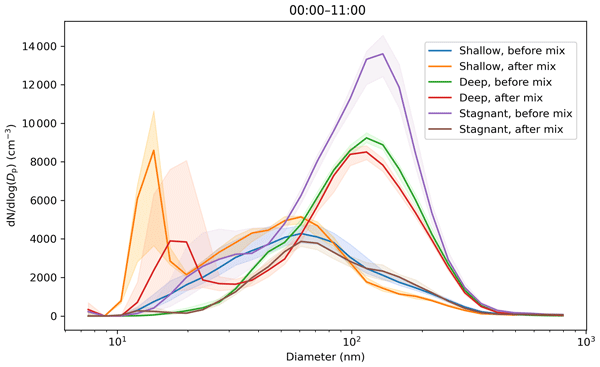
Short summary
This study examined particle emissions from a large-scale biomass heating plant. Efficient flue gas cleaning, especially with bag-house filters, significantly reduced primary emissions. However, the potential for secondary aerosol formation was found to be 100–1000 times higher than primary emissions, highlighting the need for further research to support air quality and climate goals.
This study examined particle emissions from a large-scale biomass heating plant. Efficient flue...


Altmetrics
Final-revised paper
Preprint