Articles | Volume 4, issue 2
https://doi.org/10.5194/ar-4-485-2026
© Author(s) 2026. This work is distributed under
the Creative Commons Attribution 4.0 License.
the Creative Commons Attribution 4.0 License.
https://doi.org/10.5194/ar-4-485-2026
© Author(s) 2026. This work is distributed under
the Creative Commons Attribution 4.0 License.
the Creative Commons Attribution 4.0 License.
Research article
| 
13 Oct 2026
Research article |
| 13 Oct 2026
| 13 Oct 2026
Iberulite fall and formation mechanism during a Sahara dust event in Switzerland in February 2021
Bernard Grobety
CORRESPONDING AUTHOR

Particle Vision GmbH, Passage du Cardinal 13B, 1700 Fribourg, Switzerland
Geoscience Department, University of Fribourg, Chemin du Musée 6, 1700 Fribourg, Switzerland
Philippe Favreau
Service de l'air, du bruit et des rayonnements non ionisants (SABRA), Geneva Cantonal Office for the Environment, 1200 Geneva, Switzerland
Juanita Rausch
Particle Vision GmbH, Passage du Cardinal 13B, 1700 Fribourg, Switzerland
David Jaramillo-Vogel
Particle Vision GmbH, Passage du Cardinal 13B, 1700 Fribourg, Switzerland
Martin Steinbacher
Empa, Laboratory for Air Pollution and Environmental Technology, 8600 Duebendorf, Switzerland
Christoph Neururer
Geoscience Department, University of Fribourg, Chemin du Musée 6, 1700 Fribourg, Switzerland
Related authors
No articles found.
Cuiqi Zhang, Xiaoli Shen, Justin Jacquot, Larissa Lacher, Selvakumar Vishnupriya, Benjamin T. Brem, Robin L. Modini, Nora Nowak, Michael Sprenger, Martin Steinbacher, Stephan Henne, Martine Collaud Coen, Franz Conen, Kristina Höhler, Ottmar Möhler, Martin Gysel-Beer, Daniel J. Cziczo, and Zamin A. Kanji
EGUsphere, https://doi.org/10.5194/egusphere-2026-5645, https://doi.org/10.5194/egusphere-2026-5645, 2026
This preprint is open for discussion and under review for Atmospheric Chemistry and Physics (ACP).
Short summary
Short summary
Clouds play a key role in weather and climate, but the particles that trigger cloud ice formation are difficult to identify directly. By simulating clouds in a cloud chamber and particle measurements at a mountain station, we found that mineral dust was the main trigger of cloud ice formation. Dust from local construction and transported from higher atmospheric layers both contributed. The study shows that both human activities and atmospheric processes can influence cloud formation.
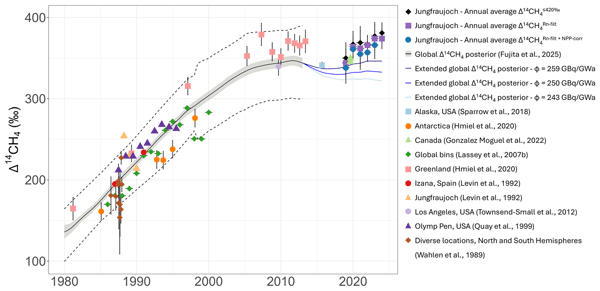
Thomas Laemmel, Dylan Geissbühler, Stephan Henne, Ryo Fujita, Heather Graven, Christophe Espic, Matthias Bantle, Negar Haghipour, Franz Conen, Dominik Brunner, Martin Steinbacher, Giulia Zazzeri, Samuel Hammer, Markus Leuenberger, and Sönke Szidat
Atmos. Chem. Phys., 26, 12019–12036, https://doi.org/10.5194/acp-26-12019-2026, https://doi.org/10.5194/acp-26-12019-2026, 2026
Short summary
Short summary
Carbon dioxide and methane are the two main anthropogenic greenhouse gases responsible for current climate change. Beside the measurement of their atmospheric concentration, the analysis of the abundance of their isotope carbon-14 (14C) gives hints about their origin, either biogenic or fossil. Here we present six years of atmospheric 14CH4 and 14CO2 measurements at a high-elevation alpine site in Switzerland (Jungfraujoch) and discuss the observed trends in both local and global views.
Julian Weng, Yufang Hao, Benjamin T. Brem, Tianqu Cui, Peeyush Khare, Lubna Dada, Kaspar R. Daellenbach, Sophie Darfeuil, Gaëlle Uzu, Jean-Luc Jaffrezo, Martin Steinbacher, Stefan Reimann, Thaleia Gkraikou, Konstantina Oikonomou, Jean Sciare, Martine Collaud Coen, Claudia Mohr, Andre S. H. Prévôt, Martin Gysel-Beer, Imad El Haddad, and Patrik Winiger
EGUsphere, https://doi.org/10.5194/egusphere-2026-3660, https://doi.org/10.5194/egusphere-2026-3660, 2026
Short summary
Short summary
Long-term observations at the Jungfraujoch High Altitude Research Station show that, alongside air mass transport, sustained oxidative processing shaped by atmospheric water vapor plays a central role in driving aerosol loading and composition. Combining detailed aerosol chemical characterization with process-level insights, we provide important observational benchmarks for improving atmospheric model performance in the remote free troposphere, where uncertainties remain particularly high.
Liang Feng, Paul I. Palmer, Haolin Wang, Robert Parker, Hartmut Boesch, Sébastien C. Biraud, Łukasz Chmura, Emanuel Gloor, László Haszpra, Elena Kozlova, Euan G. Nisbet, Steffen M. Noe, Thomas Röckmann, Rodrigo Augusto Ferreira de Souza, and Martin Steinbacher
EGUsphere, https://doi.org/10.5194/egusphere-2026-2662, https://doi.org/10.5194/egusphere-2026-2662, 2026
Short summary
Short summary
This study examines the relative roles of emissions and oxidation in recent rapid methane growth. Using an ensemble Kalman filter, we quantify global methane sources and sinks for 2018–2024. Emission changes dominate the increase, except in 2020 when a COVID‑19‑related OH decline strongly affected sinks. Atmospheric photochemistry—including OH and CH₄ variability and temperature‑dependent oxidation—also significantly shapes the methane budget.
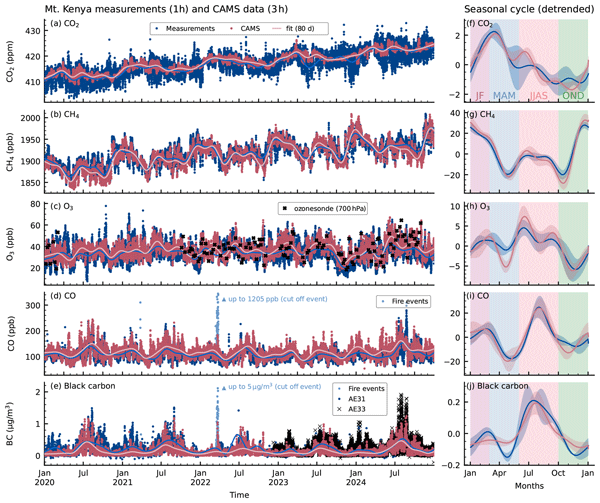
Leonie Bernet, Benjamin T. Brem, Nicolas Bukowiecki, Stephan Henne, Jörg Klausen, Mathew Mutuku, David Njiru, Patricia Nying'uro, Christoph Zellweger, and Martin Steinbacher
Atmos. Chem. Phys., 26, 6741–6762, https://doi.org/10.5194/acp-26-6741-2026, https://doi.org/10.5194/acp-26-6741-2026, 2026
Short summary
Short summary
Long-term atmospheric measurements are crucial to understanding climate change but remain scarce across Africa. We monitored atmospheric species at Mt. Kenya from 2020 to 2024. Our data reveal equatorial seasonal and daily variability and show that models miss local patterns. Emissions at Mt. Kenya mainly come from households, industry, and agriculture, though with large uncertainties. These findings stress the need for more ground stations to improve climate models and emission estimates.
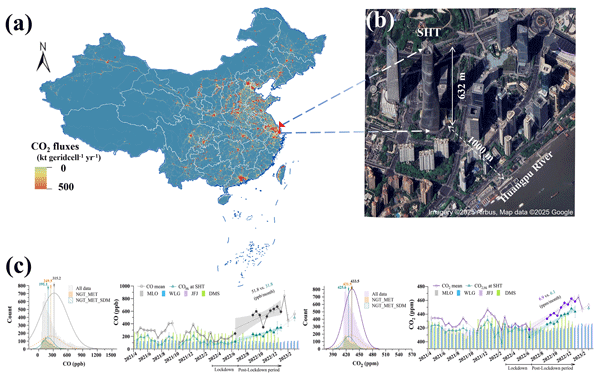
Shuang Fu, Xuemei Qing, Kunpeng Zang, Yi Lin, Shuo Liu, Yuanyuan Chen, Bingjiang Chen, Wei Gao, Martin Steinbacher, and Shuangxi Fang
Atmos. Chem. Phys., 26, 5477–5496, https://doi.org/10.5194/acp-26-5477-2026, https://doi.org/10.5194/acp-26-5477-2026, 2026
Short summary
Short summary
Urban carbon dynamics are critical for climate action, yet remote background monitoring often misses key details. This study utilized the unique vantage point of the 632-m Shanghai Tower to investigate carbon dioxide and carbon monoxide dynamics directly above the urban core. Our research confirms such elevated observations can effectively track metropolitan-scale footprint, revealing fossil fuels as the dominant source (85%) of excess carbon dioxide and supporting targeted reduction measures.
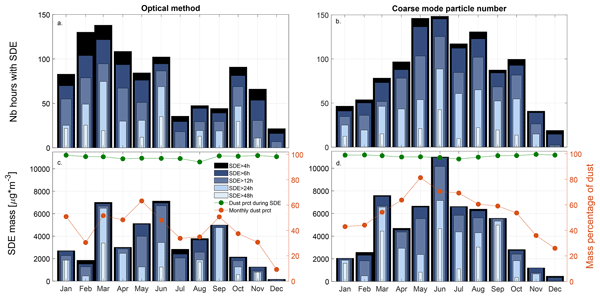
Martine Collaud Coen, Benjamin Tobias Brem, Martin Gysel-Beer, Robin Modini, Stephan Henne, Martin Steinbacher, Davide Putero, Maria I. Gini, and Kostantinos Eleftheriadis
Atmos. Chem. Phys., 26, 1623–1645, https://doi.org/10.5194/acp-26-1623-2026, https://doi.org/10.5194/acp-26-1623-2026, 2026
Short summary
Short summary
Saharan dust (SD) is transported over long distances by large-scale atmospheric circulation, reaching the Jungfraujoch high-altitude station 30 to 150 times per year. This study analyses the influence of instrument types on the SD detection using the single scattering albedo spectral dependence. This optical method is then compared to those based on size distribution and back-trajectories. The 23-year climatology of dust frequency and mass as well as the source sensitivity are also examined.
Sina Voshtani, Dylan B. A. Jones, Debra Wunch, Drew C. Pendergrass, Paul O. Wennberg, David F. Pollard, Isamu Morino, Hirofumi Ohyama, Nicholas M. Deutscher, Frank Hase, Ralf Sussmann, Damien Weidmann, Rigel Kivi, Omaira García, Yao Té, Jack Chen, Kerry Anderson, Robin Stevens, Shobha Kondragunta, Aihua Zhu, Douglas Worthy, Senen Racki, Kathryn McKain, Maria V. Makarova, Nicholas Jones, Emmanuel Mahieu, Andrea Cadena-Caicedo, Paolo Cristofanelli, Casper Labuschagne, Elena Kozlova, Thomas Seitz, Martin Steinbacher, Reza Mahdi, and Isao Murata
Atmos. Chem. Phys., 25, 15527–15565, https://doi.org/10.5194/acp-25-15527-2025, https://doi.org/10.5194/acp-25-15527-2025, 2025
Short summary
Short summary
We assess the complementarity of the greater temporal coverage provided by ground-based remote sensing data with the spatial coverage of satellite observations when these data are used together to quantify CO emissions from extreme wildfires in 2023. Our results reveal that the commonly used biomass burning emission inventories significantly underestimate the fire emissions and emphasize the importance of the ground-based remote sensing data in reducing uncertainties in the estimated emissions.
Yuri Brugnara, Martin Steinbacher, Simone Baffelli, and Lukas Emmenegger
Atmos. Chem. Phys., 25, 14221–14236, https://doi.org/10.5194/acp-25-14221-2025, https://doi.org/10.5194/acp-25-14221-2025, 2025
Short summary
Short summary
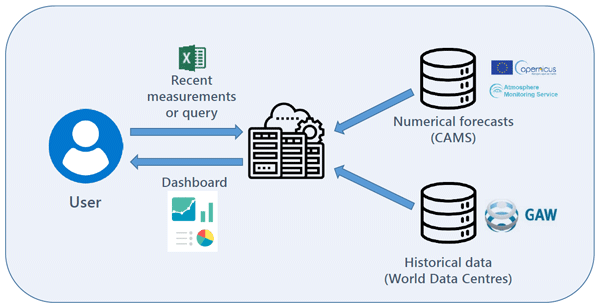
GAW-QC (Global Atmosphere Watch-Quality Control) is an interactive dashboard for the quality control of in-situ atmospheric composition measurements made at stations taking part in the Global Atmosphere Watch network. Even though it is mainly targeted at station operators who want to analyze recent, not yet published measurements, it allows anybody to verify the quality of already published measurements using various anomaly detection algorithms as well as visual comparisons.
Liang Feng, Paul I. Palmer, Luke Smallman, Jingfeng Xiao, Paolo Cristofanelli, Ove Hermansen, John Lee, Casper Labuschagne, Simonetta Montaguti, Steffen M. Noe, Stephen M. Platt, Xinrong Ren, Martin Steinbacher, and Irène Xueref-Remy
Atmos. Chem. Phys., 25, 13053–13076, https://doi.org/10.5194/acp-25-13053-2025, https://doi.org/10.5194/acp-25-13053-2025, 2025
Short summary
Short summary
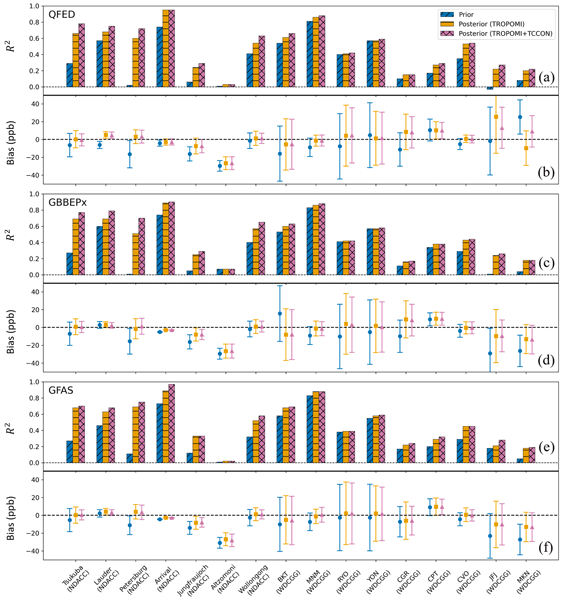
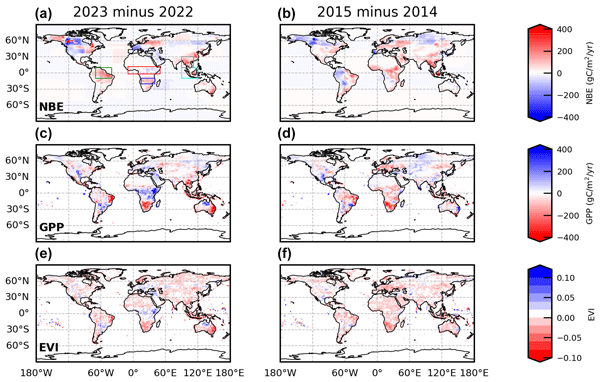
The year 2023 saw unexpectedly large global atmospheric CO2 growth. Satellite data reveal a role for increased tropical emissions. Larger emissions over eastern Brazil can be explained by warmer temperatures, which has led to exceptional drought, while hydrological changes play more of a role in emission increases elsewhere in the tropics. Broadly, we find that this situation continues into 2024.
Lubna Dada, Benjamin T. Brem, Lidia-Marta Amarandi-Netedu, Martine Collaud Coen, Nikolaos Evangeliou, Christoph Hueglin, Nora Nowak, Robin Modini, Martin Steinbacher, and Martin Gysel-Beer
Aerosol Research, 3, 315–336, https://doi.org/10.5194/ar-3-315-2025, https://doi.org/10.5194/ar-3-315-2025, 2025
Short summary
Short summary
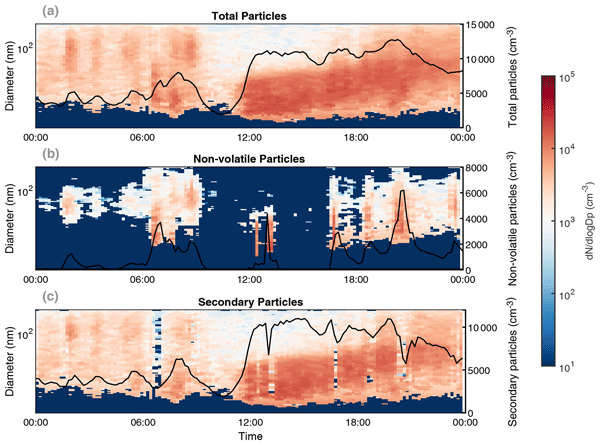
We investigated the sources of ultrafine particles (UFPs) in Payerne, Switzerland, highlighting the significant role of secondary processes in elevating UFP concentrations to levels comparable to urban areas. As the first study in rural midland Switzerland to analyze new particle formation events and secondary contributions, it offers key insights for air quality regulation and the role of agriculture in Switzerland and central Europe.
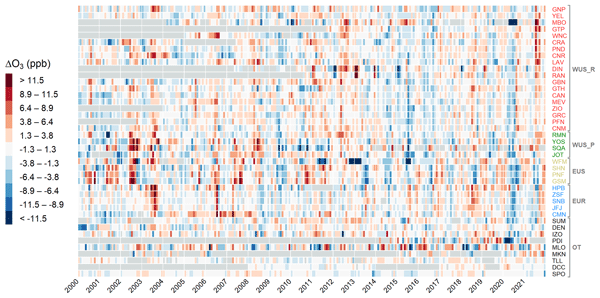
Davide Putero, Paolo Cristofanelli, Kai-Lan Chang, Gaëlle Dufour, Gregory Beachley, Cédric Couret, Peter Effertz, Daniel A. Jaffe, Dagmar Kubistin, Jason Lynch, Irina Petropavlovskikh, Melissa Puchalski, Timothy Sharac, Barkley C. Sive, Martin Steinbacher, Carlos Torres, and Owen R. Cooper
Atmos. Chem. Phys., 23, 15693–15709, https://doi.org/10.5194/acp-23-15693-2023, https://doi.org/10.5194/acp-23-15693-2023, 2023
Short summary
Short summary
We investigated the impact of societal restriction measures during the COVID-19 pandemic on surface ozone at 41 high-elevation sites worldwide. Negative ozone anomalies were observed for spring and summer 2020 for all of the regions considered. In 2021, negative anomalies continued for Europe and partially for the eastern US, while western US sites showed positive anomalies due to wildfires. IASI satellite data and the Carbon Monitor supported emission reductions as a cause of the anomalies.
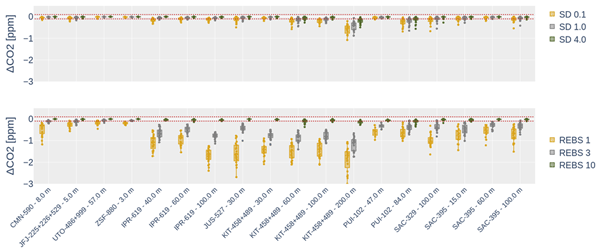
Paolo Cristofanelli, Cosimo Fratticioli, Lynn Hazan, Mali Chariot, Cedric Couret, Orestis Gazetas, Dagmar Kubistin, Antti Laitinen, Ari Leskinen, Tuomas Laurila, Matthias Lindauer, Giovanni Manca, Michel Ramonet, Pamela Trisolino, and Martin Steinbacher
Atmos. Meas. Tech., 16, 5977–5994, https://doi.org/10.5194/amt-16-5977-2023, https://doi.org/10.5194/amt-16-5977-2023, 2023
Short summary
Short summary
We investigated the application of two automatic methods for detecting spikes due to local emissions in greenhouse gas (GHG) observations at a subset of sites from the ICOS Atmosphere network. We analysed the sensitivity to the spike frequency of using different methods and settings. We documented the impact of the de-spiking on different temporal aggregations (i.e. hourly, monthly and seasonal averages) of CO2, CH4 and CO 1 min time series.
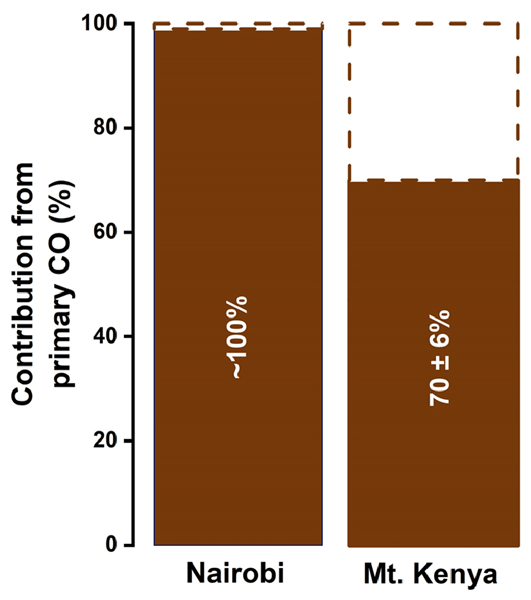
Leonard Kirago, Örjan Gustafsson, Samuel Mwaniki Gaita, Sophie L. Haslett, Michael J. Gatari, Maria Elena Popa, Thomas Röckmann, Christoph Zellweger, Martin Steinbacher, Jörg Klausen, Christian Félix, David Njiru, and August Andersson
Atmos. Chem. Phys., 23, 14349–14357, https://doi.org/10.5194/acp-23-14349-2023, https://doi.org/10.5194/acp-23-14349-2023, 2023
Short summary
Short summary
This study provides ground-observational evidence that supports earlier suggestions that savanna fires are the main emitters and modulators of carbon monoxide gas in Africa. Using isotope-based techniques, the study has shown that about two-thirds of this gas is emitted from savanna fires, while for urban areas, in this case Nairobi, primary sources approach 100 %. The latter has implications for air quality policy, suggesting primary emissions such as traffic should be targeted.
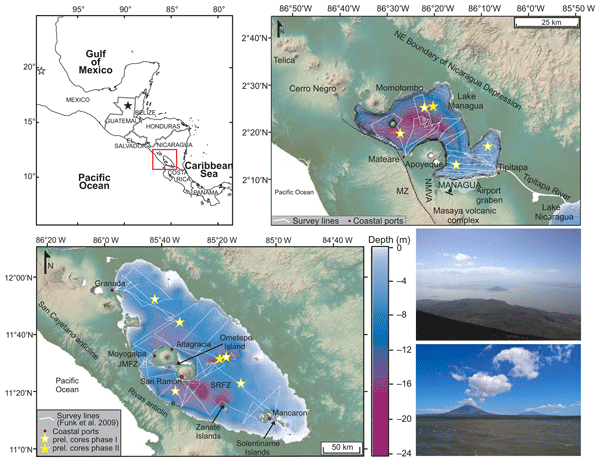
Steffen Kutterolf, Mark Brenner, Robert A. Dull, Armin Freundt, Jens Kallmeyer, Sebastian Krastel, Sergei Katsev, Elodie Lebas, Axel Meyer, Liseth Pérez, Juanita Rausch, Armando Saballos, Antje Schwalb, and Wilfried Strauch
Sci. Dril., 32, 73–84, https://doi.org/10.5194/sd-32-73-2023, https://doi.org/10.5194/sd-32-73-2023, 2023
Short summary
Short summary
The NICA-BRIDGE workshop proposes a milestone-driven three-phase project to ICDP and later ICDP/IODP involving short- and long-core drilling in the Nicaraguan lakes and in the Pacific Sandino Basin to (1) reconstruct tropical climate and environmental changes and their external controlling mechanisms over several million years, (2) assess magnitudes and recurrence times of multiple natural hazards, and (3) provide
baselineenvironmental data for monitoring lake conditions.
Peter Bergamaschi, Arjo Segers, Dominik Brunner, Jean-Matthieu Haussaire, Stephan Henne, Michel Ramonet, Tim Arnold, Tobias Biermann, Huilin Chen, Sebastien Conil, Marc Delmotte, Grant Forster, Arnoud Frumau, Dagmar Kubistin, Xin Lan, Markus Leuenberger, Matthias Lindauer, Morgan Lopez, Giovanni Manca, Jennifer Müller-Williams, Simon O'Doherty, Bert Scheeren, Martin Steinbacher, Pamela Trisolino, Gabriela Vítková, and Camille Yver Kwok
Atmos. Chem. Phys., 22, 13243–13268, https://doi.org/10.5194/acp-22-13243-2022, https://doi.org/10.5194/acp-22-13243-2022, 2022
Short summary
Short summary
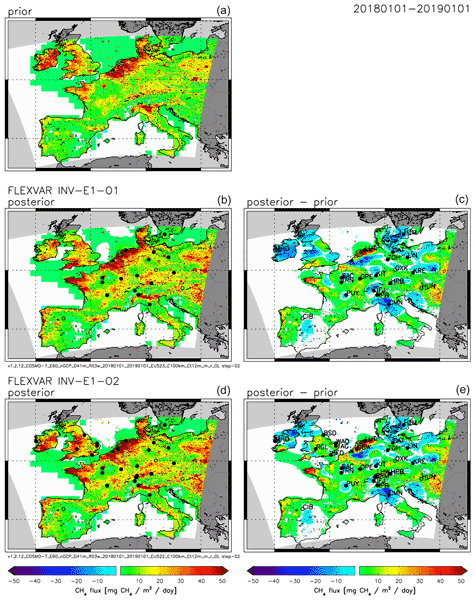
We present a novel high-resolution inverse modelling system, "FLEXVAR", and its application for the inverse modelling of European CH4 emissions in 2018. The new system combines a high spatial resolution of 7 km x 7 km with a variational data assimilation technique, which allows CH4 emissions to be optimized from individual model grid cells. The high resolution allows the observations to be better reproduced, while the derived emissions show overall good consistency with two existing models.
Simone M. Pieber, Béla Tuzson, Stephan Henne, Ute Karstens, Christoph Gerbig, Frank-Thomas Koch, Dominik Brunner, Martin Steinbacher, and Lukas Emmenegger
Atmos. Chem. Phys., 22, 10721–10749, https://doi.org/10.5194/acp-22-10721-2022, https://doi.org/10.5194/acp-22-10721-2022, 2022
Short summary
Short summary
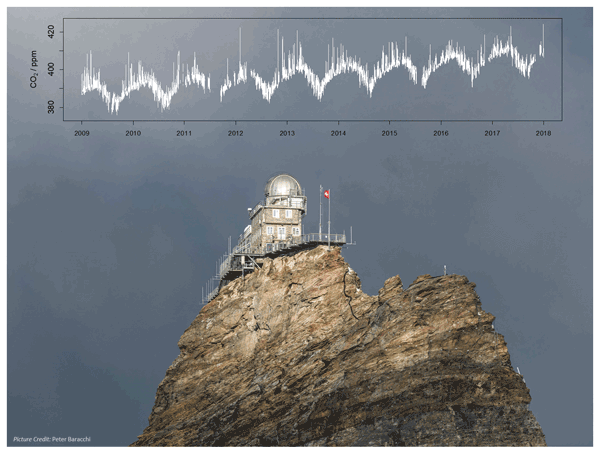
Understanding regional greenhouse gas emissions into the atmosphere is a prerequisite to mitigate climate change. In this study, we investigated the regional contributions of carbon dioxide (CO2) at the location of the high Alpine observatory Jungfraujoch (JFJ, Switzerland, 3580 m a.s.l.). To this purpose, we combined receptor-oriented atmospheric transport simulations for CO2 concentration in the period 2009–2017 with stable carbon isotope (δ13C–CO2) information.
Matthias Schneider, Benjamin Ertl, Qiansi Tu, Christopher J. Diekmann, Farahnaz Khosrawi, Amelie N. Röhling, Frank Hase, Darko Dubravica, Omaira E. García, Eliezer Sepúlveda, Tobias Borsdorff, Jochen Landgraf, Alba Lorente, André Butz, Huilin Chen, Rigel Kivi, Thomas Laemmel, Michel Ramonet, Cyril Crevoisier, Jérome Pernin, Martin Steinbacher, Frank Meinhardt, Kimberly Strong, Debra Wunch, Thorsten Warneke, Coleen Roehl, Paul O. Wennberg, Isamu Morino, Laura T. Iraci, Kei Shiomi, Nicholas M. Deutscher, David W. T. Griffith, Voltaire A. Velazco, and David F. Pollard
Atmos. Meas. Tech., 15, 4339–4371, https://doi.org/10.5194/amt-15-4339-2022, https://doi.org/10.5194/amt-15-4339-2022, 2022
Short summary
Short summary
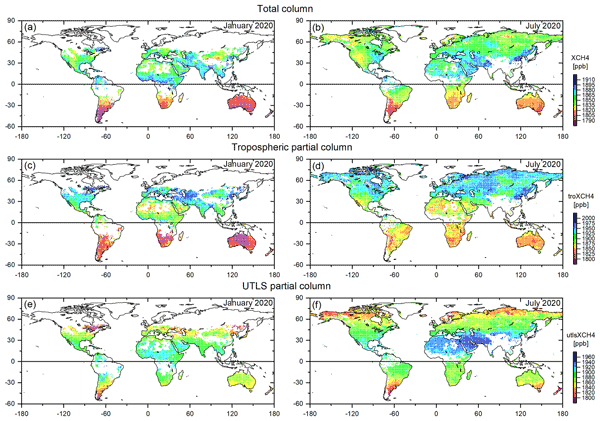
We present a computationally very efficient method for the synergetic use of level 2 remote-sensing data products. We apply the method to IASI vertical profile and TROPOMI total column space-borne methane observations and thus gain sensitivity for the tropospheric methane partial columns, which is not achievable by the individual use of TROPOMI and IASI. These synergetic effects are evaluated theoretically and empirically by inter-comparisons to independent references of TCCON, AirCore, and GAW.
Cyril Brunner, Benjamin T. Brem, Martine Collaud Coen, Franz Conen, Martin Steinbacher, Martin Gysel-Beer, and Zamin A. Kanji
Atmos. Chem. Phys., 22, 7557–7573, https://doi.org/10.5194/acp-22-7557-2022, https://doi.org/10.5194/acp-22-7557-2022, 2022
Short summary
Short summary
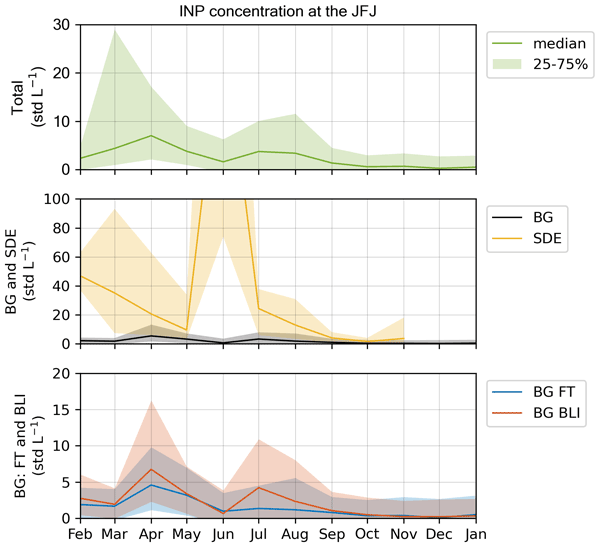
Microscopic particles called ice-nucleating particles (INPs) are essential for ice crystals to form in clouds. INPs are a tiny proportion of atmospheric aerosol, and their abundance is poorly constrained. We study how the concentration of INPs changes diurnally and seasonally at a mountaintop station in central Europe. Unsurprisingly, a diurnal cycle is only found when considering air masses that have had lower-altitude ground contact. The highest INP concentrations occur in spring.
Makoto Saito, Tomohiro Shiraishi, Ryuichi Hirata, Yosuke Niwa, Kazuyuki Saito, Martin Steinbacher, Doug Worthy, and Tsuneo Matsunaga
Biogeosciences, 19, 2059–2078, https://doi.org/10.5194/bg-19-2059-2022, https://doi.org/10.5194/bg-19-2059-2022, 2022
Short summary
Short summary
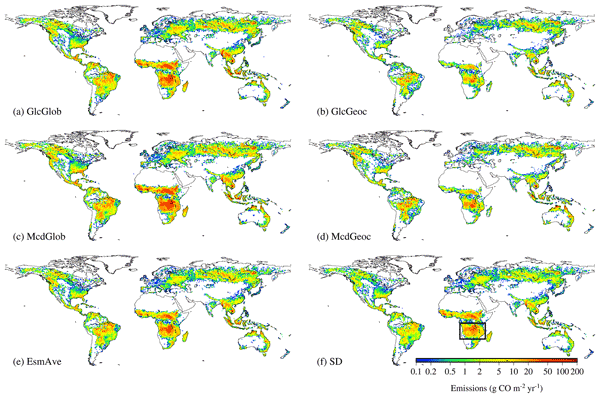
This study tested combinations of two sources of AGB data and two sources of LCC data and used the same burned area satellite data to estimate BB CO emissions. Our analysis showed large discrepancies in annual mean CO emissions and explicit differences in the simulated CO concentrations among the BB emissions estimates. This study has confirmed that BB emissions estimates are sensitive to the land surface information on which they are based.
Cyril Brunner, Benjamin T. Brem, Martine Collaud Coen, Franz Conen, Maxime Hervo, Stephan Henne, Martin Steinbacher, Martin Gysel-Beer, and Zamin A. Kanji
Atmos. Chem. Phys., 21, 18029–18053, https://doi.org/10.5194/acp-21-18029-2021, https://doi.org/10.5194/acp-21-18029-2021, 2021
Short summary
Short summary
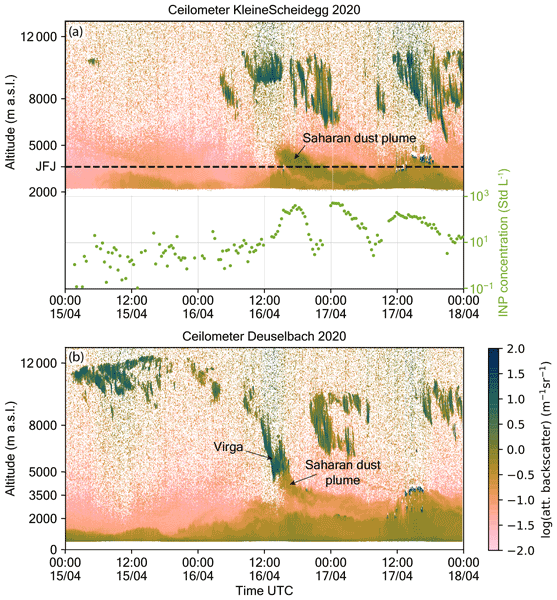
Special microscopic particles called ice-nucleating particles (INPs) are essential for ice crystals to form in the atmosphere. INPs are sparse and their atmospheric concentration and properties are not well understood. Mineral dust particles make up a significant fraction of INPs but how much remains unknown. Here, we address this knowledge gap by studying periods when mineral particles are present in large quantities at a mountaintop station in central Europe.
Larissa Lacher, Hans-Christian Clemen, Xiaoli Shen, Stephan Mertes, Martin Gysel-Beer, Alireza Moallemi, Martin Steinbacher, Stephan Henne, Harald Saathoff, Ottmar Möhler, Kristina Höhler, Thea Schiebel, Daniel Weber, Jann Schrod, Johannes Schneider, and Zamin A. Kanji
Atmos. Chem. Phys., 21, 16925–16953, https://doi.org/10.5194/acp-21-16925-2021, https://doi.org/10.5194/acp-21-16925-2021, 2021
Short summary
Short summary
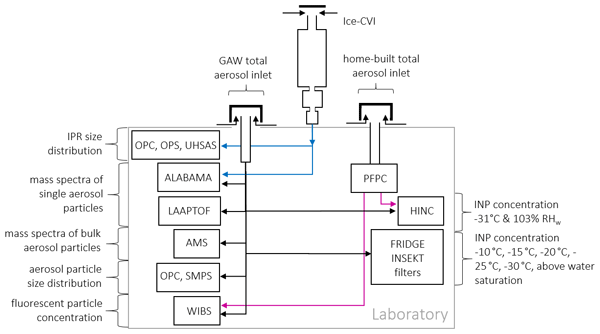
We investigate ice-nucleating particle properties at Jungfraujoch during the 2017 joint INUIT/CLACE field campaign, to improve the knowledge about those rare particles in a cloud-relevant environment. By quantifying ice-nucleating particles in parallel to single-particle mass spectrometry measurements, we find that mineral dust and aged sea spray particles are potential candidates for ice-nucleating particles. Our findings are supported by ice residual analysis and source region modeling.
Cited articles
Alexander, J. M., Bell, D. M., Imre, D., Kleiber, P. D., Grassian, V. H., and Zelenyuk, A.: Measurement of size-dependent dynamic shape factors of quartz particles in two flow regimes, Aerosol Sci. Tech., 50, 870–879, https://doi.org/10.1080/02786826.2016.1200006, 2016.
Ansmann, A., Bösenberg, J., Chaikovsky, A., Comerón, A., Eckhardt, S., Eixmann, R., Freudenthaler, V., Ginoux, P., Komguem, L., Linnè, H., Linné, H., Márquez, M. A. N. L., Matthias, V., Mattis, I., Mitev, V., Müller, D., Music, S., Nickovic, S., Pelon, J., Sauvage, L., Sobolewsky, P., Srivastava, M. K., Stohl, A., Torres, O., Vaughan, G., Wandinger, U., and Wiegner, M.: Longr range transport of Saharan dust to northern Europe: The 11th October 2001 outbreak observed with EARLINET, J. Geophys. Res.-Atmos., 108, 4783, https://doi.org/10.1029/2003JD003757, 2001.
Ansmann, A., Petzold, A., Kandler, K., Tegen, I., Wendisch, M., Müller, D., Weinzierl, B., Müller, T., and Heintzenberg, J.: Saharan Mineral Dust Experiments SAMUM–1 and SAMUM–2: what have we learned?, Tellus B, 63, https://doi.org/10.1111/j.1600-0889.2011.00555.x, 2011.
Ashpole, I. and Washington, R.: A new high-resolution central and western Saharan summertime dust source map from automated satellite dust plume tracking, J. Geophys. Res.-Atmos., 118, 6981–6995, https://doi.org/10.1002/jgrd.50554, 2013.
Atkinson, J. D., Murray, B. J., Woodhouse, M. T., Whale, T. F., Baustian, K. J., Carslaw, K. S., Dobbie, S., O'Sullivan, D., and Malkin, T. L.: The importance of feldspar for ice nucleation by mineral dust in mixed-phase clouds, Nature, 498, 355–358, https://doi.org/10.1038/nature12278, 2013.
Avila, A., Queralt-Mitjans, I., and Alarcón, M.: Mineralogical composition of African dust delivered by red rains over northeastern Spain, J. Geophys. Res.-Atmos., 102, 21977–21996, https://doi.org/10.1029/97jd00485, 1997.
Bencherif, H., Bounhir, A., Bègue, N., Millet, T., Benkhaldoun, Z., Lamy, K., Portafaix, T., and Gadouali, F.: Aerosol Distributions and Sahara Dust Transport in Southern Morocco, from Ground-Based and Satellite Observations, Remote Sens., 14, https://doi.org/10.3390/rs14102454, 2022.
Bish, D. L. and Post, J. E.: Quantitative mineralogical analysis using the Rietveld full-pattern fitting method, Am. Mineral., 78, https://doi.org/10.2138/am-1993-9-1001, 1993.
Brem, B., Gysel, M., and Gysel-Beer, M.: EMEP, CREATE, ACTRIS, GAW-WDCA, 2020–2023, Particle number size distribution at Jungfraujoch, EBAS at NILU [data set], https://doi.org/10.48597/MNVM-38BX, 2023.
Brennan, K. P. and Wilhelm, L.: Saharan dust linked to European hail events, Atmos. Chem. Phys., 25, 10823–10836, https://doi.org/10.5194/acp-25-10823-2025, 2025.
Brunner, C., Brem, B. T., Collaud Coen, M., Conen, F., Hervo, M., Henne, S., Steinbacher, M., Gysel-Beer, M., and Kanji, Z. A.: The contribution of Saharan dust to the ice-nucleating particle concentrations at the High Altitude Station Jungfraujoch (3580 m a.s.l.), Switzerland, Atmos. Chem. Phys., 21, 18029–18053, https://doi.org/10.5194/acp-21-18029-2021, 2021.
Buseck, P. R. and Pósfai, M.: Airborne minerals and related aerosol particles: Effects on climate and the environment, P. Natl. Acad. Sci. USA, 96, https://doi.org/10.1073/pnas.96.7.3372, 1999.
Caquineau, S., Gaudichet, A., Gomes, L., Magonthier, M. C., and Chatenet, B.: Saharan dust: Clay ratio as a relevant tracer to assess the origin of soil-derived aerosols, Geophys. Res. Lett., 25, 983–986, https://doi.org/10.1029/98GL00569, 1998.
Cheng, Y.-S., Yeh, H.-C., and Allen, M. D.: Dynamic Shape Factor of a Plate-Like Particle, Aerosol Sci. Tech., 8, 109–123, https://doi.org/10.1080/02786828808959176, 1988.
Chester, R. and Johnson, L. R.: Atmospheric dusts collected off the Atlantic coasts of North Africa and the Iberian Peninsula, Mar. Geol., 11, 251–260, https://doi.org/10.1016/0025-3227(71)90027-2, 1971.
Chou, C., Stetzer, O., Weingartner, E., Jurányi, Z., Kanji, Z. A., and Lohmann, U.: Ice nuclei properties within a Saharan dust event at the Jungfraujoch in the Swiss Alps, Atmos. Chem. Phys., 11, 4725–4738, https://doi.org/10.5194/acp-11-4725-2011, 2011.
Collaud Coen, M., Weingartner, E., Schaub, D., Hueglin, C., Corrigan, C., Henning, S., Schwikowski, M., and Baltensperger, U.: Saharan dust events at the Jungfraujoch: detection by wavelength dependence of the single scattering albedo and first climatology analysis, Atmos. Chem. Phys., 4, 2465–2480, https://doi.org/10.5194/acp-4-2465-2004, 2004.
Collaud Coen, M., Brem, B. T., Gysel-Beer, M., Modini, R., Henne, S., Steinbacher, M., Putero, D., Gini, M. I., and Eleftheriadis, K.: Detection and climatology of Saharan dust frequency and mass at the Jungfraujoch (3580 m a.s.l., Switzerland), Atmos. Chem. Phys., 26, 1623–1645, https://doi.org/10.5194/acp-26-1623-2026, 2026.
Connolly, P. J., Emersic, C., and Field, P. R.: A laboratory investigation into the aggregation efficiency of small ice crystals, Atmos. Chem. Phys., 12, 2055–2076, https://doi.org/10.5194/acp-12-2055-2012, 2012.
Croft, B., Lohmann, U., Martin, R. V., Stier, P., Wurzler, S., Feichter, J., Hoose, C., Heikkilä, U., van Donkelaar, A., and Ferrachat, S.: Influences of in-cloud aerosol scavenging parameterizations on aerosol concentrations and wet deposition in ECHAM5-HAM, Atmos. Chem. Phys., 10, 1511–1543, https://doi.org/10.5194/acp-10-1511-2010, 2010.
Cuadros, J., Diaz-Hernandez, J. L., Sanchez-Navas, A., and Garcia-Casco, A.: Role of clay minerals in the formation of atmospheric aggregates of Saharan dust, Atmos. Environ., 120, 160–172, https://doi.org/10.1016/j.atmosenv.2015.08.077, 2015.
Cuevas-Agulló, E., Barriopedro, D., García, R. D., Alonso-Pérez, S., González-Alemán, J. J., Werner, E., Suárez, D., Bustos, J. J., García-Castrillo, G., García, O., Barreto, Á., and Basart, S.: Sharp increase in Saharan dust intrusions over the western Euro-Mediterranean in February–March 2020–2022 and associated atmospheric circulation, Atmos. Chem. Phys., 24, 4083–4104, https://doi.org/10.5194/acp-24-4083-2024, 2024.
DeCarlo, P. F., Slowik, J. G., Worsnop, D. R., Davidovits, P., and Jimenez, J. L.: Particle Morphology and Density Characterization by Combined Mobility and Aerodynamic Diameter Measurements. Part 1: Theory, Aerosol Sci. Tech., 38, 1185–1205, https://doi.org/10.1080/027868290903907, 2004.
Denjean, C., Cassola, F., Mazzino, A., Triquet, S., Chevaillier, S., Grand, N., Bourrianne, T., Momboisse, G., Sellegri, K., Schwarzenbock, A., Freney, E., Mallet, M., and Formenti, P.: Size distribution and optical properties of mineral dust aerosols transported in the western Mediterranean, Atmos. Chem. Phys., 16, 1081–1104, https://doi.org/10.5194/acp-16-1081-2016, 2016.
Díaz-Hernández, J. L. and Párraga, J.: The nature and tropospheric formation of iberulites: Pinkish mineral microspherulites, Geochim. Cosmochim. Ac., 72, 3883–3906, https://doi.org/10.1016/j.gca.2008.05.037, 2008.
Diaz-Hernandez, J. L. and Sanchez-Navas, A.: Saharan dust outbreaks and iberulite episodes, J. Geophys. Res., 121, https://doi.org/10.1002/2016JD024913, 2016.
Di Mauro, B., Garzonio, R., Rossini, M., Filippa, G., Pogliotti, P., Galvagno, M., Morra di Cella, U., Migliavacca, M., Baccolo, G., Clemenza, M., Delmonte, B., Maggi, V., Dumont, M., Tuzet, F., Lafaysse, M., Morin, S., Cremonese, E., and Colombo, R.: Saharan dust events in the European Alps: role in snowmelt and geochemical characterization, The Cryosphere, 13, 1147–1165, https://doi.org/10.5194/tc-13-1147-2019, 2019.
Dollase, W. A.: Correction of intensities for preferred orientation in powder diffractometry: application of the March model, J. Appl. Crystallogr., 19, 267–272, https://doi.org/10.1107/s0021889886089458, 1986.
Dubovik, O., Sinyuk, A., Lapyonok, T., Holben, B. N., Mishchenko, M., Yang, P., Eck, T. F., Volten, H., Muñoz, O., Veihelmann, B., van der Zande, W. J., Leon, J. F., Sorokin, M., and Slutsker, I.: Application of spheroid models to account for aerosol particle nonsphericity in remote sensing of desert dust, J. Geophys. Res.-Atmos., 111, https://doi.org/10.1029/2005jd006619, 2006.
Etkind, A., Kaup, G.-H., Ayanlade, A., and Andreao, G.: The global refining disorder: The political geography of crude processing, Energy Research & Social Science, 137, https://doi.org/10.1016/j.erss.2026.104776, 2026.
Fiol, L. A. and Guijarrro, J. A.: Small spheres of aeolic dust, a peculiar type of dry deposition in the city of Palma (Mallorca island), Bolleti de la Societat d'Historia Natural de les Balears, 43, RACO Open Access Repository, https://raco.cat/index.php/BolletiSHNBalears/article/view/169500 (last access: 11 October 2026), 2000.
Fiol, L. A., Fornós, J. J., Gelabert, B., and Guijarro, J. A.: Dust rains in Mallorca (Western Mediterranean): Their occurrence and role in some recent geological processes, Catena, 63, 64–84, https://doi.org/10.1016/j.catena.2005.06.012, 2005.
Fischer, A. and Hüglin, C.: Partikelmessungen im NABEL, Messbericht 2024, Empa, Abteilung Luftfremdstoffe/Umwelttechnik, Dübendorf, https://www.bafu.admin.ch/dam/en/sd-web/wl28-y2TXfSG/Partikelmessungen-NABEL-2024.pdf (last access: 9 October 2026), 2024.
Flentje, H., Briel, B., Beck, C., Collaud Coen, M., Fricke, M., Cyrys, J., Gu, J., Pitz, M., and Thomas, W.: Identification and monitoring of Saharan dust: An inventory representative for south Germany since 1997, Atmos. Environ., 109, 87–96, https://doi.org/10.1016/j.atmosenv.2015.02.023, 2015.
Francis, D., Eayrs, C., Chaboureau, J. P., Mote, T., and Holland, D. M.: Polar Jet Associated Circulation Triggered a Saharan Cyclone and Derived the Poleward Transport of the African Dust Generated by the Cyclone, J. Geophys. Res.-Atmos., 123, https://doi.org/10.1029/2018jd029095, 2018.
Francis, D., Fonseca, R., Nelli, N., Bozkurt, D., Picard, G., and Guan, B.: Atmospheric rivers drive exceptional Saharan dust transport towards Europe, Atmos. Res., 266, https://doi.org/10.1016/j.atmosres.2021.105959, 2022.
Fukuta, N. and Takahashi, T.: The Growth of Atmospheric Ice Crystals: A Summary of Findings in Vertical Supercooled Cloud Tunnel Studies, J. Atmos. Sci., 56, 1963–1979, https://doi.org/10.1175/1520-0469(1999)056<1963:Tgoaic>2.0.Co;2, 1999.
Fussell, J. C. and Kelly, F. J.: Mechanisms underlying the health effects of desert sand dust, Environ. Int., 157, https://doi.org/10.60910/4x9t-ghuu, 2021.
Greenfield, S. M.: Rain Scavenging of Radioactive Particulate Matter from the Atmosphere, J. Meteorol., 14, 115–125, https://doi.org/10.1175/1520-0469(1957)014<0115:Rsorpm>2.0.Co;2, 1957.
Grousset, F. E., Rognon, P., Coudé-Gaussen, G., and Pédemay, P.: Origins of peri-Saharan dust deposits traced by their Nd and Sr isotopic composition, Palaeogeogr. Palaeocl., 93, 203–212, https://doi.org/10.1016/0031-0182(92)90097-O, 1992.
Haarig, M., Ansmann, A., Engelmann, R., Baars, H., Toledano, C., Torres, B., Althausen, D., Radenz, M., and Wandinger, U.: First triple-wavelength lidar observations of depolarization and extinction-to-backscatter ratios of Saharan dust, Atmos. Chem. Phys., 22, 355–369, https://doi.org/10.5194/acp-22-355-2022, 2022.
Hallett, J. and Bailey, M. P.: A Comprehensive Habit Diagram for Atmospheric Ice Crystals: Confirmation from the Laboratory, AIRS II, and Other Field Studies, J. Atmos. Sci., 66, 2888–2899, https://doi.org/10.1175/2009jas2883.1, 2009.
Hallett, J. and Oraltay, R. G.: The Melting Layer: A Laboratory Investigation of Ice Particle Melt and Evaporation near 0 °C, J. Appl. Meteorol. Clim., 44, 206–220, https://doi.org/10.1175/jam2194.1, 2005.
Harrison, A. D., Lever, K., Sanchez-Marroquin, A., Holden, M. A., Whale, T. F., Tarn, M. D., McQuaid, J. B., and Murray, B. J.: The ice-nucleating ability of quartz immersed in water and its atmospheric importance compared to K-feldspar, Atmos. Chem. Phys., 19, 11343–11361, https://doi.org/10.5194/acp-19-11343-2019, 2019.
Hashino, T., Cheng, K. Y., Chueh, C. C., and Wang, P. K.: Numerical study of motion and stability of falling columnar crystals, J. Atmos. Sci., 73, 1923–1942, https://doi.org/10.1175/JAS-D-15-0219.1, 2016.
Heald, C. L., Ridley, D. A., Kroll, J. H., Barrett, S. R. H., Cady-Pereira, K. E., Alvarado, M. J., and Holmes, C. D.: Contrasting the direct radiative effect and direct radiative forcing of aerosols, Atmos. Chem. Phys., 14, 5513–5527, https://doi.org/10.5194/acp-14-5513-2014, 2014.
Heymsfield, A. J., Bansemer, A., Poellot, M. R., and Wood, N.: Observations of ice microphysics through the melting layer, J. Atmos. Sci., 72, 2902–2928, https://doi.org/10.1175/JAS-D-14-0363.1, 2015.
Hinds, W. C.: Aerosol Technology, John Wiley and Sons, New York, ISBN 978-0-471-19410-1, 1999.
Hoshyaripour, A.: February 2021: A dusty month for Europe, EGU Blogs, Atmospheric Sciences (AS) Division, European Geosciences Union (EGU), https://blogs.egu.eu/divisions/as/2021/04/03/february-2021-a-dusty-month-for-europe/ (last access: 9 October 2026), 3 April 2021.
Hüglin, C. and Grange S. K.: Chemical characterisation and source identification of PM10 and PM2.5 in Switzerland, EMPA, Dübendorf, https://www.bafu.admin.ch/dam/de/sd-web/oyMXRQizcq24/chemical-characterisation-and-source-id entification-of-pm-in-switzerland.pdf (last access: 8 October 2026), 2021.
Iskandar, F., Chang, H., and Okuyama, K.: Preparation of microencapsulated powders by an aerosol spray method and their optical properties, Adv. Powder Technol., 14, 349–367, https://doi.org/10.1163/15685520360685983, 2003.
Jeong, G. Y.: Microanalysis and mineralogy of Asian and Saharan dust, Journal of Analytical Science and Technology, 15, https://doi.org/10.1186/s40543-024-00425-5, 2024.
Jones, N. R., de Jersey, A. M., Lavers, J. L., Rodemann, T., and Rivers-Auty, J.: Identifying laboratory sources of microplastic and nanoplastic contamination from the air, water, and consumables, J. Hazard. Mater., 465, 133276, https://doi.org/10.1016/j.jhazmat.2023.133276, 2024.
Jurányi, Z., Gysel, M., Weingartner, E., Bukowiecki, N., Kammermann, L., and Baltensperger, U.: A 17 month climatology of the cloud condensation nuclei number concentration at the high alpine site Jungfraujoch, J. Geophys. Res., 116, https://doi.org/10.1029/2010jd015199, 2011.
Kajikawa, M.: Observations of the Falling Motion of Plate-Like Snow Crystals Part I: The Free-Fall Patterns and Velocity, J. Meteorol. Soc. Jpn. Ser. II, 70, 1–9, https://doi.org/10.2151/jmsj1965.70.1_1, 1992.
Kandler, K., Benker, N., Bundke, U., Cuevas, E., Ebert, M., Knippertz, P., Rodríguez, S., Schütz, L., and Weinbruch, S.: Chemical composition and complex refractive index of Saharan Mineral Dust at Izaña, Tenerife (Spain) derived by electron microscopy, Atmos. Environ., 41, 8058–8074, https://doi.org/10.1016/j.atmosenv.2007.06.047, 2007.
Kandler, K., Schneiders, K., Ebert, M., Hartmann, M., Weinbruch, S., Prass, M., and Pöhlker, C.: Composition and mixing state of atmospheric aerosols determined by electron microscopy: method development and application to aged Saharan dust deposition in the Caribbean boundary layer, Atmos. Chem. Phys., 18, 13429–13455, https://doi.org/10.5194/acp-18-13429-2018, 2018.
Kearsley, A. T., Burchell, M. J., Hörz, F., Cole, M. J., and Schwandt, C. S.: Laboratory simulation of impacts on aluminum foils of the Stardust spacecraft: Calibration of dust particle size from comet Wild‐2, Meteorit. Planet. Sci., 41, 167–180, https://doi.org/10.1111/j.1945-5100.2006.tb00201.x, 2010.
Kellogg, C. A. and Griffin, D. W.: Aerobiology and the global transport of desert dust, Trends Ecol. Evol., 21, 638–644, https://doi.org/10.1016/j.tree.2006.07.004, 2006.
Knight, C. A.: Observations of the morphology of melting snow, J. Atmos. Sci., 36, 1123–1130, https://doi.org/10.1175/1520-0469(1979)036<1123:OOTMOM>2.0.CO;2, 1979.
Korolev, A., McFarquhar, G., Field, P. R., Franklin, C., Lawson, P., Wang, Z., Williams, E., Abel, S. J., Axisa, D., Borrmann, S., Crosier, J., Fugal, J., Krämer, M., Lohmann, U., Schlenczek, O., Schnaiter, M., and Wendisch, M.: Mixed-Phase Clouds: Progress and Challenges, Meteor. Mon., 58, 5.1–5.50, https://doi.org/10.1175/amsmonographs-d-17-0001.1, 2017.
Kyrö, E.-M., Grönholm, T., Vuollekoski, H., Virkkula, A., Kulmala, M., Laakso, L., and Kyrö, E.: Snow scavenging of ultrafine particles: field measurements and parameterization, Boreal Environ. Res., 14, 11, https://doi.org/10.60910/4x9t-ghuu, 2009.
Leinonen, J. and Lerber, A. V.: Snowflake Melting Simulation Using Smoothed Particle Hydrodynamics, J. Geophys. Res.-Atmos., 123, 1811–1825, https://doi.org/10.1002/2017JD027909, 2018.
Lemaitre, P., Quérel, A., Dépée, A., Guerra Devigne, A., Monier, M., Hiron, T., Soto Minguez, C., Hardy, D., and Flossmann, A.: Microphysical modelling of aerosol scavenging by different types of clouds: description and validation of the approach, Atmos. Chem. Phys., 24, 9713–9732, https://doi.org/10.5194/acp-24-9713-2024, 2024.
Li, T., Cohen, A. J., Krzyzanowski, M., Zhang, C., Gumy, S., Mudu, P., Pant, P., Liu, Q., Kan, H., Tong, S., Chen, S., Kang, U., Basart, S., Toure, N. E., Al-Hemoud, A., Rudich, Y., Tobias, A., Querol, X., Khomsi, K., Samara, F., Hashizume, M., Stafoggia, M., Malkawi, M., Wang, S., Zhou, M., Shi, X., Jiang, G., and Shen, H.: Sand and dust storms: a growing global health threat calls for international health studies to support policy action, Lancet Planet Health, 9, e34–e40, https://doi.org/10.1016/S2542-5196(24)00308-5, 2025.
Lian, L., Huang, J., Chen, S., Du, S., Zhang, L., and Yang, J.: A Comprehensive Review of Dust Events: Characteristics, Climate Feedbacks, and Public Health Risks, Current Pollution Reports, 11, https://doi.org/10.1007/s40726-025-00347-9, 2025.
Libbrecht, K. G.: The physics of snow crystals, Rep. Prog. Phys., 68, 855–895, https://doi.org/10.1088/0034-4885/68/4/r03, 2005.
Lüönd, F., Stetzer, O., Welti, A., and Lohmann, U.: Experimental study on the ice nucleation ability of size‐selected kaolinite particles in the immersion mode, J. Geophys. Res.-Atmos., 115, https://doi.org/10.1029/2009jd012959, 2010.
Marticorena, B., Bergametti, G., Aumont, B., Callot, Y., N'Doumé, C., and Legrand, M.: Modeling the atmospheric dust cycle 2. Simulation of Saharan dust sources, J. Geophys. Res.-Atmos., 102, https://doi.org/10.1029/96jd02964, 1997.
Matsuo, T. and Sasyo, Y.: Melting of Snowflakes below Freezing Level in the Atmosphere, J. Meteorol. Soc. Jpn. Ser. II, 59, 10–25, https://doi.org/10.2151/jmsj1965.59.1_10, 1981.
Matzenauer, E.: Tectonics of the Préalpes Klippen and the subalpine molasse (canton Fribourg, Switzerland), GeoFocus, 31, 207 pp., https://doi.org/10.51363/unifr.sth.2025.037, 2011.
McCorquodale, M. W. and Westbrook, C. D.: TRAIL: A novel approach for studying the aerodynamics of ice particles, Q. J. Roy. Meteor. Soc., 147, 589–604, https://doi.org/10.1002/qj.3935, 2021.
McFarquhar, G. M., Timlin, M. S., Rauber, R. M., Jewett, B. F., Grim, J. A., and Jorgensen, D. P.: Vertical Variability of Cloud Hydrometeors in the Stratiform Region of Mesoscale Convective Systems and Bow Echoes, Mon. Weather Rev., 135, 3405–3428, https://doi.org/10.1175/MWR3444.1, 2007.
Meier, M. F., Mildenberger, T., Locher, R., Rausch, J., Zünd, T., Neururer, C., Ruckstuhl, A., and Grobéty, B.: A model based two-stage classifier for airborne particles analyzed with Computer Controlled Scanning Electron Microscopy, J. Aerosol Sci., 123, 1–16, https://doi.org/10.1016/j.jaerosci.2018.05.012, 2018.
Middleton, N. J.: Desert dust hazards: A global review, Aeolian Res., 24, 53–63, https://doi.org/10.1016/j.aeolia.2016.12.001, 2017.
Miller, N. L. and Wang, P. K.: Theoretical determination of the efficiency of aerosol particle collection by falling columnar ice crystals, J. Atmos. Sci., 46, 1656–1663, https://doi.org/10.1175/1520-0469(1989)046<1656:TDOTEO>2.0.CO;2, 1989.
Nemuc, A., Vasilescu, J., Talianu, C., Belegante, L., and Nicolae, D.: Assessment of aerosol's mass concentrations from measured linear particle depolarization ratio (vertically resolved) and simulations, Atmos. Meas. Tech., 6, 3243–3255, https://doi.org/10.5194/amt-6-3243-2013, 2013.
Ott, D. K. and Peters, T. M.: A Shelter to Protect a Passive Sampler for Coarse Particulate Matter, PM10–2.5, Aerosol Sci. Tech., 42, 299–309, https://doi.org/10.1080/02786820802054236, 2008.
Panta, A., Kandler, K., Alastuey, A., González-Flórez, C., González-Romero, A., Klose, M., Querol, X., Reche, C., Yus-Díez, J., and Pérez García-Pando, C.: Insights into the single-particle composition, size, mixing state, and aspect ratio of freshly emitted mineral dust from field measurements in the Moroccan Sahara using electron microscopy, Atmos. Chem. Phys., 23, 3861–3885, https://doi.org/10.5194/acp-23-3861-2023, 2023.
Paquet, G., Rognon, P., Coude-Gaussen G., and Wendling, R.: Etude minéralogique de poussières sahariennes le long d'un itinéraire entre 19 et 35° de latitude nord, Rev. Géol. Dyn. Géogr., 25, 257–265, 1984.
Paramonov, M., Grönholm, T., and Virkkula, A.: Below-cloud scavenging of aerosol particles by snow at an urban site in Finland, Boreal Environment Research, 16, 304–320, https://www.borenv.net/BER/archive/pdfs/ber16/ber16-304.pdf (last access: 9 October 2026), 2011.
Párraga, J., Martín-García, J. M., Delgado, G., Molinero-García, A., Cervera-Mata, A., Guerra, I., Fernández-González, M. V., Martín-Rodríguez, F. J., Lyamani, H., Casquero-Vera, J. A., Valenzuela, A., Olmo, F. J., and Delgado, R.: Intrusions of dust and iberulites in Granada basin (Southern Iberian Peninsula). Genesis and formation of atmospheric iberulites, Atmos. Res., 248, https://doi.org/10.1016/j.atmosres.2020.105260, 2021.
Peckhaus, A., Kiselev, A., Hiron, T., Ebert, M., and Leisner, T.: A comparative study of K-rich and Na/Ca-rich feldspar ice-nucleating particles in a nanoliter droplet freezing assay, Atmos. Chem. Phys., 16, 11477–11496, https://doi.org/10.5194/acp-16-11477-2016, 2016.
Pouchou, J. L. and Pichoir, F.: PAP ø(pZ) procedure for improved quantitative microanalysis, in: Microbeam Analysis, edited by: Armstrong, J. T., San Francisco Press, 103–106, 1985.
Prodi, F.: Scavenging of Aerosol Particles by Growing Ice Crystals, in: International Conference on Cloud Physics, Boulder, CO, 26–30 July 1976, Boulder, Colorado, American Meteorological Society, 70–75, 1976.
Prodi, F., Amirante, G., Di Natale, F., Santachiara, G., and Belosi, F.: Further Laboratory Experiments on Aerosol Scavenging in Mixed Clouds to Assess the Role of Phoretic Forces and Particle Solubility, Atmospheric and Climate Sciences, 08, 235–247, https://doi.org/10.4236/acs.2018.82015, 2018.
Proestakis, E., Papachristopoulou, K., Georgiou, T., Chatoutsidou, S. E., Lazaridis, M., Gkikas, A., Fountoulakis, I., Tsikoudi, I., Petrakis, M. P., and Amiridis, V.: Atmospheric dust and air quality over large-cities and megacities of the world, Atmos. Chem. Phys., 25, 14777–14823, https://doi.org/10.5194/acp-25-14777-2025, 2025.
Pruppacher, H. R. and Klett, J. D.: Microphysics of Clouds and Precipitation, Springer Science + Business Media B.V. Media, ISBN 978-0-306-48100-0, https://doi.org/10.1007/978-0-306-48100-0, 2010.
Rautela, K. S., Singh, S., and Goyal, M. K.: Characterizing the spatio-temporal distribution, detection, and prediction of aerosol atmospheric rivers on a global scale, J. Environ. Manage., 351, 119675, https://doi.org/10.1016/j.jenvman.2023.119675, 2024.
Ren, W., Reutzsch, J., and Weigand, B.: Direct Numerical Simulation of Water Droplets in Turbulent Flow, Fluids, 5, https://doi.org/10.3390/fluids5030158, 2020.
Riandet, A., Xueref-Remy, I., Popovici, I., Lelandais, L., Armengaud, A., and Goloub, P.: Diurnal and Seasonal Variability of the Atmospheric Boundary-Layer Height in Marseille (France) for Mistral and Sea/Land Breeze Conditions, Remote Sens., 15, https://doi.org/10.3390/rs15051185, 2023.
Rocha-Lima, A., Martins, J. V., Remer, L. A., Todd, M., Marsham, J. H., Engelstaedter, S., Ryder, C. L., Cavazos-Guerra, C., Artaxo, P., Colarco, P., and Washington, R.: A detailed characterization of the Saharan dust collected during the Fennec campaign in 2011: in situ ground-based and laboratory measurements, Atmos. Chem. Phys., 18, 1023–1043, https://doi.org/10.5194/acp-18-1023-2018, 2018.
Rolph, G., Stein, A., and Stunder, B.: Real-time Environmental Applications and Display sYstem: READY, Environ. Model. Softw., 95, 210–228, https://doi.org/10.1016/j.envsoft.2017.06.025, 2017.
Santachiara, G., Prodi, F., and Belosi, F.: Atmospheric aerosol scavenging processes and the role of thermo- and diffusio-phoretic forces, Atmos. Res., 128, 46–56, https://doi.org/10.1016/j.atmosres.2013.03.004, 2013.
Santachiara, G., Prodi, F., Belosi, F., and Nicosia, A.: A Review of Thermo- and Diffusio-Phoresis in the Atmospheric Aerosol Scavenging Process. Part 2: Ice Crystal and Snow Scavenging, Atmospheric and Climate Sciences, 13, 466–477, https://doi.org/10.4236/acs.2023.134026, 2023.
Santos, D., Maurício, A. C., Sencadas, V., Santos, J. D., Fernandes, M. H., and Gomes, P. S.: Spray Drying: An Overview, in: Biomaterials – Physics and Chemistry – New Edition, InTech, https://doi.org/10.5772/intechopen.71618, 2018.
Schepanski, K., Tegen, I., Todd, M. C., Heinold, B., Bönisch, G., Laurent, B., and Macke, A.: Meteorological processes forcing Saharan dust emission inferred from MSG‐SEVIRI observations of subdaily dust source activation and numerical models, J. Geophys. Res.-Atmos., 114, https://doi.org/10.1029/2008jd010325, 2009.
Scheuvens, D., Schütz, L., Kandler, K., Ebert, M., and Weinbruch, S.: Bulk composition of northern African dust and its source sediments – A compilation, Earth-Sci. Rev., 116, 170–194, https://doi.org/10.1016/j.earscirev.2012.08.005, 2013a.
Scheuvens, D., Schütz, L., Kandler, K., Ebert, M., and Weinbruch, S.: Bulk composition of northern African dust and its source sediments – A compilation, Earth-Sci. Rev., 116, 170–194, https://doi.org/10.1016/j.earscirev.2012.08.005, 2013b.
Schmetz, J., Pili, P., Tjemkes, S., Just, D., Kerkmann, J., Rota, S., and Ratier, A.: An Introduction to Meteosat Second Generation (MSG), B. Am. Meteorol. Soc., 83, 977–992, https://doi.org/10.1175/BAMS-83-7-Schmetz-2, 2002.
Schwikowski, M., Seibert, P., Baltensperger, U., and Gaggeler, H. W.: A study of an outstanding Saharan dust event at the high-alpine site Jungfraujoch, Switzerland, Atmos. Environ., 29, 1829–1842, https://doi.org/10.1016/1352-2310(95)00060-c, 1995.
Sokolik, I. N.: The spectral radiative signature of wind‐blown mineral dust: Implications for remote sensing in the thermal IR region, Geophys. Res. Lett., 29, https://doi.org/10.1029/2002gl015910, 2002.
Song, N. and Lamb, D.: Experimental Investigations of Ice in Supercooled Clouds. Part II: Scavenging of an Insoluble Aerosol, J. Atmos. Sci., 51, 104–116, https://doi.org/10.1175/1520-0469(1994)051<0104:Eioiis>2.0.Co;2, 1994.
Stein, A., Draxler, R. R., Glenn, D. R., Barbara, J. B., Stunder, M. D. C., and Fong N.: NOAA's HYSPLIT Atmospheric Transport and Dispersion Modeling System, B. Am. Meteorol. Soc., 96, 2059–2077, https://doi.org/10.1175/BAMS-D-14-00110.1, 2015.
Stringham, G. E., Simons, D. B., and Guy, H. P.: The behavior of large particles falling in quiescent liquids, U.S. Geological Survey, Professional Paper 562, C1–C36, https://doi.org/10.3133/pp562C, 1969.
Tagliavini, G., McCorquodale, M., Westbrook, C., Corso, P., Krol, Q., Holzner, M., Tagliavini, G., McCorquodale, M., Westbrook, C., Corso, P., and Krol, Q.: Drag coefficient prediction of complex-shaped snow particles falling in air beyond the Stokes regime, Int. J. Multiphas. Flow, 140, 103652, https://doi.org/10.3929/ethz-b-000480012, 2021.
Tan, F., Zhang, H., Xia, K., Jing, B., Li, X., Tong, S., and Ge, M.: Hygroscopic behavior and aerosol chemistry of atmospheric particles containing organic acids and inorganic salts, npj Clim. Atmos. Sci., 7, https://doi.org/10.1038/s41612-024-00752-9, 2024.
Tobias, A., Karanasiou, A., Amato, F., Roqué, M., and Querol, X.: Health effects of desert dust and sand storms: A systematic review and meta-analysis protocol, BMJ Open, 9, e029876, https://doi.org/10.1136/bmjopen-2019-029876, 2019.
UNCCD: Sand and Dust Storms Compendium: Information and Guidance on Assessing and Addressing the Risks, United Nations Convention to Combat Desertification (UNCCD), Bonn, Germany, ISBN: 978-92-95118-10-2, 2022.
Velasco-Merino, C., Mateos, D., Toledano, C., Prospero, J. M., Molinie, J., Euphrasie-Clotilde, L., González, R., Cachorro, V. E., Calle, A., and de Frutos, A. M.: Impact of long-range transport over the Atlantic Ocean on Saharan dust optical and microphysical properties based on AERONET data, Atmos. Chem. Phys., 18, 9411–9424, https://doi.org/10.5194/acp-18-9411-2018, 2018.
Wang, Q., Gu, J., and Wang, X.: The impact of Sahara dust on air quality and public health in European countries, Atmos. Environ., 241, https://doi.org/10.1016/j.atmosenv.2020.117771, 2020.
Weinbruch, S., Wentzel, M., Kluckner, M., Hoffmann, P., and Ortner, H. M.: Characterization of individual atmospheric particles by element mapping in electron probe microanalysis, Mikrochim. Acta, 125, 137–141, https://doi.org/10.1007/BF01246176, 1997.
Weinzierl, B., Sauer, D., Esselborn, M., Petzold, A., Veira, A., Rose, M., Mund, S., Wirth, M., Ansmann, A., Tesche, M., Gross, S., and Freudenthaler, V.: Microphysical and optical properties of dust and tropical biomass burning aerosol layers in the Cape Verde region – an overview of the airborne in situ and lidar measurements during SAMUM-2, Tellus B, 63, https://doi.org/10.1111/j.1600-0889.2011.00566.x, 2011.
Weinzierl, B., Ansmann, A., Prospero, J. M., Althausen, D., Benker, N., Chouza, F., Dollner, M., Farrell, D., Fomba, W. K., Freudenthaler, V., Gasteiger, J., Groß, S., Haarig, M., Heinold, B., Kandler, K., Kristensen, T. B., Mayol-Bracero, O. L., Müller, T., Reitebuch, O., Sauer, D., Schäfler, A., Schepanski, K., Spanu, A., Tegen, I., Toledano, C., and Walser, A.: The Saharan Aerosol Long-Range Transport and Aerosol–Cloud-Interaction Experiment: Overview and Selected Highlights, B. Am. Meteorol. Soc., 98, 1427–1451, https://doi.org/10.1175/bams-d-15-00142.1, 2017.
Wiedensohler, A., Birmili, W., Nowak, A., Sonntag, A., Weinhold, K., Merkel, M., Wehner, B., Tuch, T., Pfeifer, S., Fiebig, M., Fjäraa, A. M., Asmi, E., Sellegri, K., Depuy, R., Venzac, H., Villani, P., Laj, P., Aalto, P., Ogren, J. A., Swietlicki, E., Williams, P., Roldin, P., Quincey, P., Hüglin, C., Fierz-Schmidhauser, R., Gysel, M., Weingartner, E., Riccobono, F., Santos, S., Grüning, C., Faloon, K., Beddows, D., Harrison, R., Monahan, C., Jennings, S. G., O'Dowd, C. D., Marinoni, A., Horn, H.-G., Keck, L., Jiang, J., Scheckman, J., McMurry, P. H., Deng, Z., Zhao, C. S., Moerman, M., Henzing, B., de Leeuw, G., Löschau, G., and Bastian, S.: Mobility particle size spectrometers: harmonization of technical standards and data structure to facilitate high quality long-term observations of atmospheric particle number size distributions, Atmos. Meas. Tech., 5, 657–685, https://doi.org/10.5194/amt-5-657-2012, 2012.
Yang, Y., Peng, X., Zhang, G., Hu, X., Guo, Z., Sun, W., Fu, Y., Jiang, F., Ou, J., Ding, X., Wang, X., and Bi, X.: In-cloud scavenging of chemically segregated particle types by individual particle observation, Appl. Geochem., 152, https://doi.org/10.1016/j.apgeochem.2023.105657, 2023.
Zolles, T., Burkart, J., Hausler, T., Pummer, B., Hitzenberger, R., and Grothe, H.: Identification of ice nucleation active sites on feldspar dust particles, J. Phys. Chem. A, 119, 2692–2700, https://doi.org/10.1021/jp509839x, 2015.
Short summary
The iberulite fall was, to our knowledge, the first reported in central Europe. What was special was that the fall was observed in situ and that the meteorological conditions during the fall are well known. The meteorology and the particle size distribution inside the iberulites strongly corroborate below-cloud scavenging as a probable formation mechanism. The discovery of further iberulites Saharan dust event (SDE) samples collected since suggests that iberulites are common but overlooked by other researchers.
The iberulite fall was, to our knowledge, the first reported in central Europe. What was special...


Altmetrics
Final-revised paper
Preprint